The Luxury Handbag Investigation
A handbag can cost $1,500, or $50,000, and both can be called luxury. But what makes one worth more than the other? When you walk into a designer boutique and see a handbag with a four digit price tag, it is easy to assume that the quality must be exceptional. After all, why would a bag cost that much if it were not made from the finest leather and crafted to last? The answer is more complicated than the number on the price tag suggests.
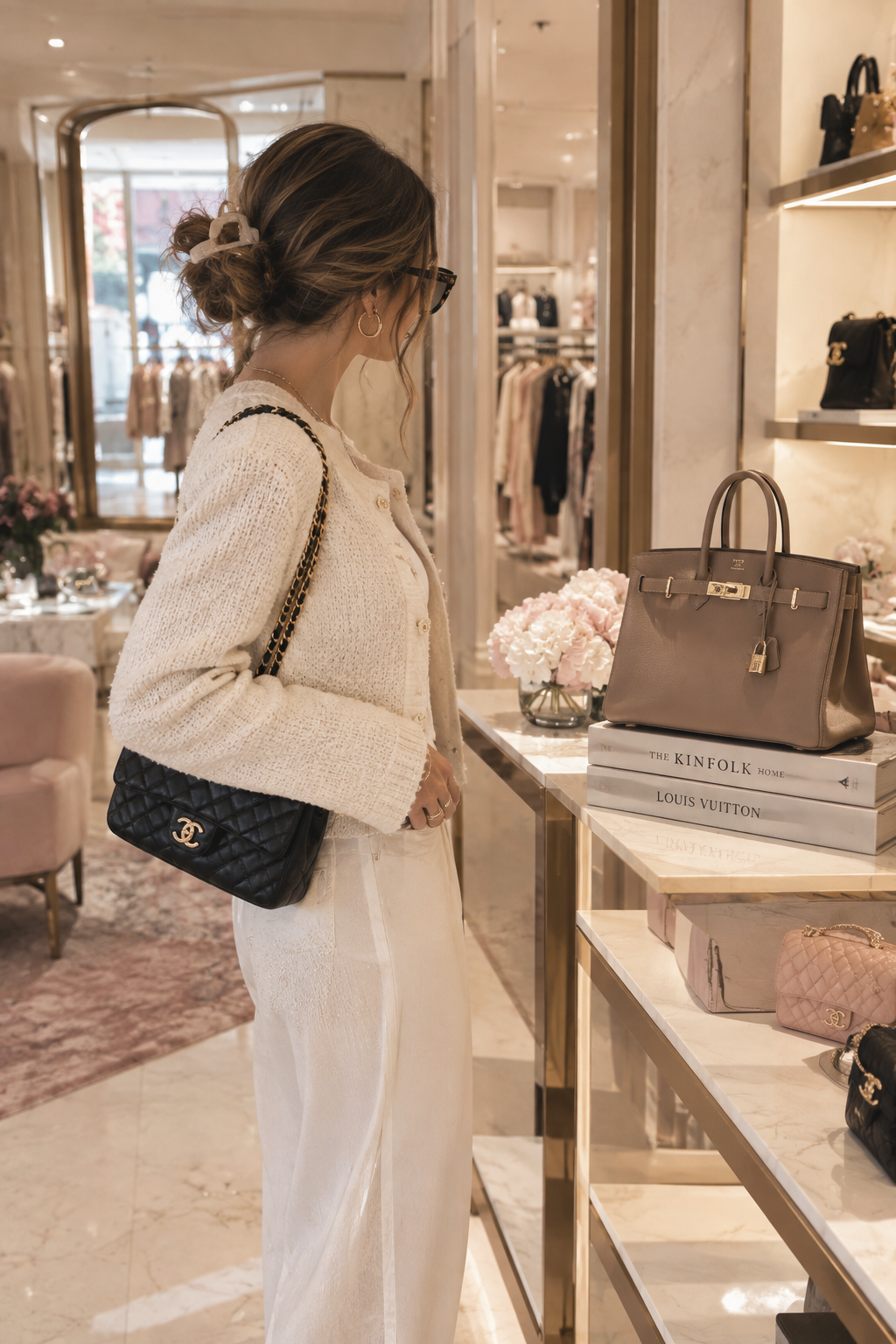
Luxury handbags have become some of the most recognizable products in fashion. A Chanel flap bag, a Hermès Birkin, a Louis Vuitton Speedy, or a Bottega Veneta woven bag can be identified almost instantly. These bags carry history, status, and an unmistakable design identity. But there is an important distinction between a bag being recognizable and a bag being exceptionally well made. The logo tells you who designed it. It does not necessarily tell you everything about what you are actually buying.
Chanel is a great example, the house is well known for using both lambskin and caviar leather in its handbags. Lambskin is incredibly soft and has a smooth, luxurious feel, which is part of its appeal. However, its delicate surface can be more vulnerable to scratches and visible wear. Caviar leather, on the other hand, has a more textured surface and is generally considered more resistant to everyday wear. The choice between them is not simply about which one is more expensive. It is about what kind of relationship you want to have with your handbag.
Hermès presents another interesting comparison because of the range of leathers used across its bags. Togo leather has a soft, pebbled appearance and is known for its casual character, while Epsom leather has a more structured, pressed texture. These materials can make the same general handbag silhouette feel completely different. The leather affects not only the appearance of the bag, but also its structure, weight, durability, and the way it changes over time.
Woven materials create an entirely different conversation about craftsmanship. Bottega Veneta's Intrecciato is a perfect example because the material becomes part of the construction itself. Instead of simply cutting a piece of leather into the shape of a handbag, artisans work with narrow strips that are woven together to create the surface of the bag. The pattern has become so closely associated with Bottega Veneta that it can identify the house even without a large logo.
What makes this particularly interesting is that the weaving is not simply decoration placed on top of the handbag. It changes the structure, texture, flexibility, and appearance of the entire piece. The strips have to be handled consistently so that the weave remains even and the finished bag does not look distorted. Bottega Veneta describes Intrecciato as a craftsmanship technique that has been part of the house since 1975, and the brand continues to experiment with different materials, treatments, shapes, and ways of weaving. This is a good reminder that when you are paying for a luxury handbag, the value can come from what an artisan has done with the material rather than simply how expensive the material was to begin with.
One of the easiest details to overlook on a designer handbag is the way it closes, yet a zipper and a flap can require completely different levels of construction. A zipper may look simple, but it has to be precisely positioned so it moves smoothly without pulling or distorting the leather around it. The surrounding material also needs to be strong enough to withstand the repeated tension of opening and closing the bag. A flap creates a different challenge because it becomes part of the handbag’s structure. It needs to sit perfectly against the body of the bag, maintain its shape, and align exactly with its clasp, magnet, or turn lock. When you are looking at a luxury handbag, these details can seem almost invisible, but that effortless appearance is actually the result of careful construction.
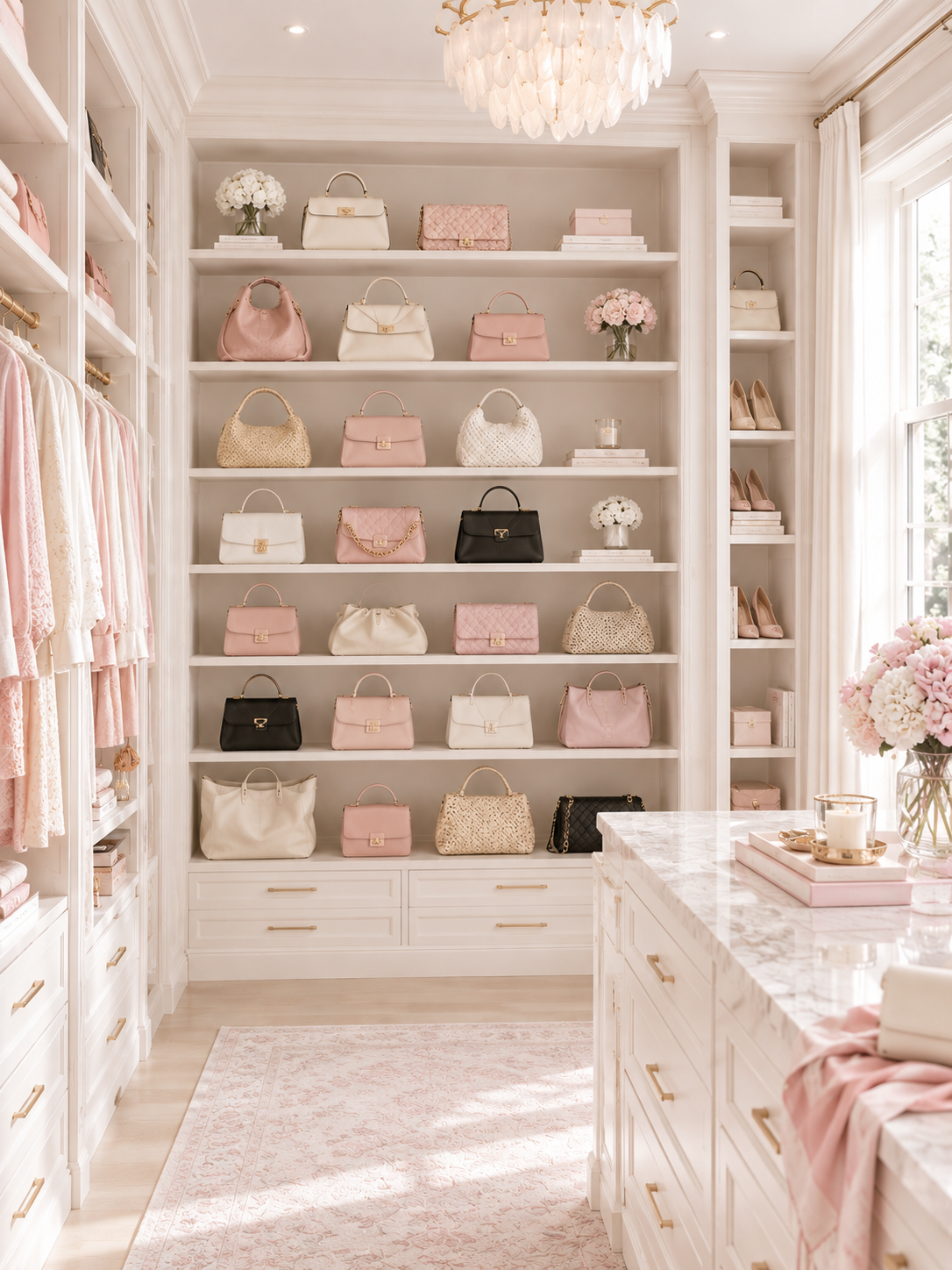
This is where craftsmanship can begin to separate one handbag from another. A designer handbag is not simply cut from a piece of leather and sewn together. The material has to be carefully shaped, reinforced, stitched, and finished so that the final bag holds its intended form. While the points where handles and hardware attach need reinforcement because they experience constant tension. Even the stitching has to remain consistent in spacing and tension. These decisions affect how the handbag feels when you hold it, how it functions after years of use, and how refined it looks. Chanel’s Classic 11.12, for example, is constructed through at least 180 steps, demonstrating how much work can exist behind a design that appears relatively effortless.
This changes the weight, structure, and feel of the handbag. This is why looking only at the amount of leather used can be misleading. The real question is how that leather has been engineered into the finished object. Hardware introduces another level of craftsmanship. A clasp, zipper, chain, buckle, or decorative piece has to be attached securely without damaging the leather around it. Handles are particularly important because they carry much of the weight of the bag. The points where handles connect to the body may require reinforcement because they experience repeated pulling and tension every time the bag is picked up. A beautifully designed handbag therefore has to balance appearance with engineering. It has to look delicate while being strong enough to survive years of being opened, carried, placed down, and picked up again.
Even the interior of the bag can reveal the amount of work involved. Pockets have to be measured and positioned correctly. Linings have to fit without bunching or pulling. Interior compartments can require additional panels, seams, reinforcement, and stitching. The bottom of a structured bag may also contain additional support to prevent it from collapsing. None of these details are necessarily visible in a photograph, but they change the way the bag feels when you hold it.
But this raises a much more complicated question for luxury fashion: if a brand moves away from traditional leather, should the price of the handbag change? Some luxury brands are deliberately investing in alternatives, particularly materials designed to address animal welfare or environmental concerns. Stella McCartney, for example, has never used animal leather and instead uses materials including polyurethane based alternatives, plant based materials, recycled materials, and newer innovations such as grape and apple waste based materials. The brand still positions these handbags as luxury products, with craftsmanship and production playing a major role in their value. This does not automatically mean that a non leather handbag should cost less than a leather one. New materials can require expensive research, specialized manufacturing, and years of development.
But it does make the price worth questioning. If the material becomes less expensive to source or easier to manufacture, while the retail price continues climbing, how much of that price is actually paying for the material, and how much is paying for the name? Different luxury houses have different strengths. You are paying for a particular design philosophy, material choice, construction method, and brand identity. But there is another factor that is easy to overlook: the economy. The price of luxury fashion does not exist in a vacuum. It is affected by inflation, labor costs, materials, currency changes, tariffs, supply chains, consumer demand, and the overall health of the economy. When production becomes more expensive or a company wants to increase margins, prices can rise.
When consumers have more disposable income and demand is strong, luxury houses have more room to charge premium prices. This means a handbag becoming more expensive does not necessarily mean the handbag itself has become better. For example, Chanel’s Medium Classic Flap bag cost around $5,800 in 2019. By 2023, the same bag had risen to $10,200, within 4 years there was an increase of about 76%. This shows how luxury brands have increasingly relied on frequent and substantial price increases to drive revenue growth. Other luxury leather goods experienced the same trend, with prices rising anywhere from 50 to 100 percent during that period. That is a huge distinction. If a handbag becomes dramatically more expensive, consumers naturally have the right to ask whether the leather, craftsmanship, and overall product have improved by the same amount.
Consumers are becoming more critical of price increases that are not always matched by improvements in quality or creativity. Its 2026 research also found that craftsmanship and quality remain important, but consumers are increasingly looking for emotional connection and value rather than simply buying something because it represents status. When the economy feels uncertain, people become more careful about what they buy. A handbag that might have felt like an easy purchase during a period of financial confidence can suddenly feel much less reasonable when prices are rising and consumers are worried about where their money is going. In 2026, economic volatility and value conscious spending continue to influence fashion consumers, making shoppers more interested in products that feel worth the money.
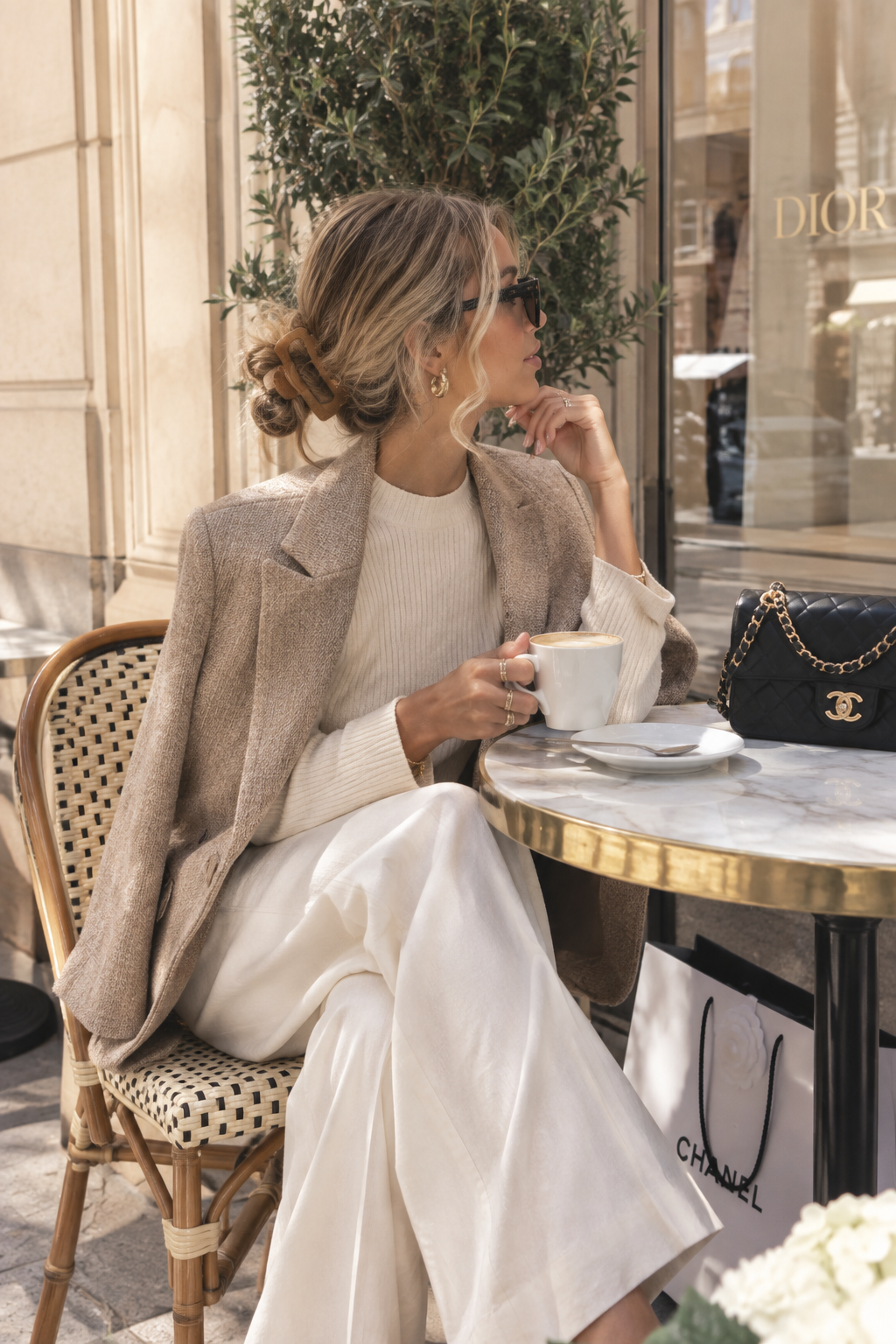
This is also where resale becomes interesting, a pre-owned handbag can sometimes offer a better way to understand its true value. Instead of asking what a brand says the bag is worth at retail, you can look at what people are actually willing to pay for it years later. Some bags maintain their value because they remain desirable, while others lose a significant amount of their original price. Resale does not tell you everything about quality, but it can reveal something about demand, longevity, and whether a particular design has remained relevant.
Ultimately, buying a luxury handbag should involve looking beyond the logo. Look at the leather. Feel its texture. Examine the stitching. Look at the hardware and the lining. Research how that particular material ages. Think about whether you want something delicate that will develop a unique patina or something durable enough to carry every day. Consider whether you are paying for exceptional craftsmanship or primarily for the recognition that comes with the name. Most importantly, ask yourself whether you would still want the handbag if nobody knew what brand it was.
A luxury handbag can absolutely be worth thousands of dollars. But its value should come from more than the name printed on the box. It should come from the quality of the materials, the craftsmanship behind the construction, the way it fits into your life, and how much you will genuinely enjoy carrying it. Because the most luxurious thing about a handbag is not necessarily the logo. It is buying something you understand, something you will use, and something you will still love years after the price tag has been forgotten.
- Xx Chloe