There was a time when fashion was genuinely exciting. Not simply because the clothes were beautiful, but because the industry had something to say about them. Designers took risks, collections provoked conversations, and fashion critics were not afraid to express an opinion, even when that opinion was decidedly unfavorable. Somewhere along the way, fashion seems to have lost a little of its nerve. Looking back at the 1990s, I cannot help but wonder when we stopped expecting fashion to be interesting.
When Critics Actually Criticized
One of the most fascinating things about fashion in the 1990s was the seriousness with which it was discussed. Fashion criticism was not simply a collection of compliments disguised as journalism. Critics examined collections, questioned designers, challenged ideas, and occasionally tore an entire runway presentation apart. Their opinions carried weight, and designers were not necessarily protected from an unfavorable review simply because their names appeared on the invitation.
Suzy Menkes, Cathy Horyn, and other influential fashion journalists approached fashion with the same intellectual seriousness afforded to art and culture. They understood that a collection could be beautiful and still be unsuccessful, expensive and still be uninspired, or technically impressive and still fail to communicate anything meaningful.
Perhaps what I miss most is the willingness to say that something simply was not good.
Today, fashion coverage can sometimes feel less like criticism and more like an endless celebration. Every collection is described as exciting, every designer is applauded for their vision, and every runway seems to have something revolutionary to offer. When everything is extraordinary, nothing really is. Fashion needs disagreement. It needs criticism that challenges designers to do better instead of reassuring them that whatever they produce is automatically worthy of admiration.
The Clothes Used to Matter More Than the Image
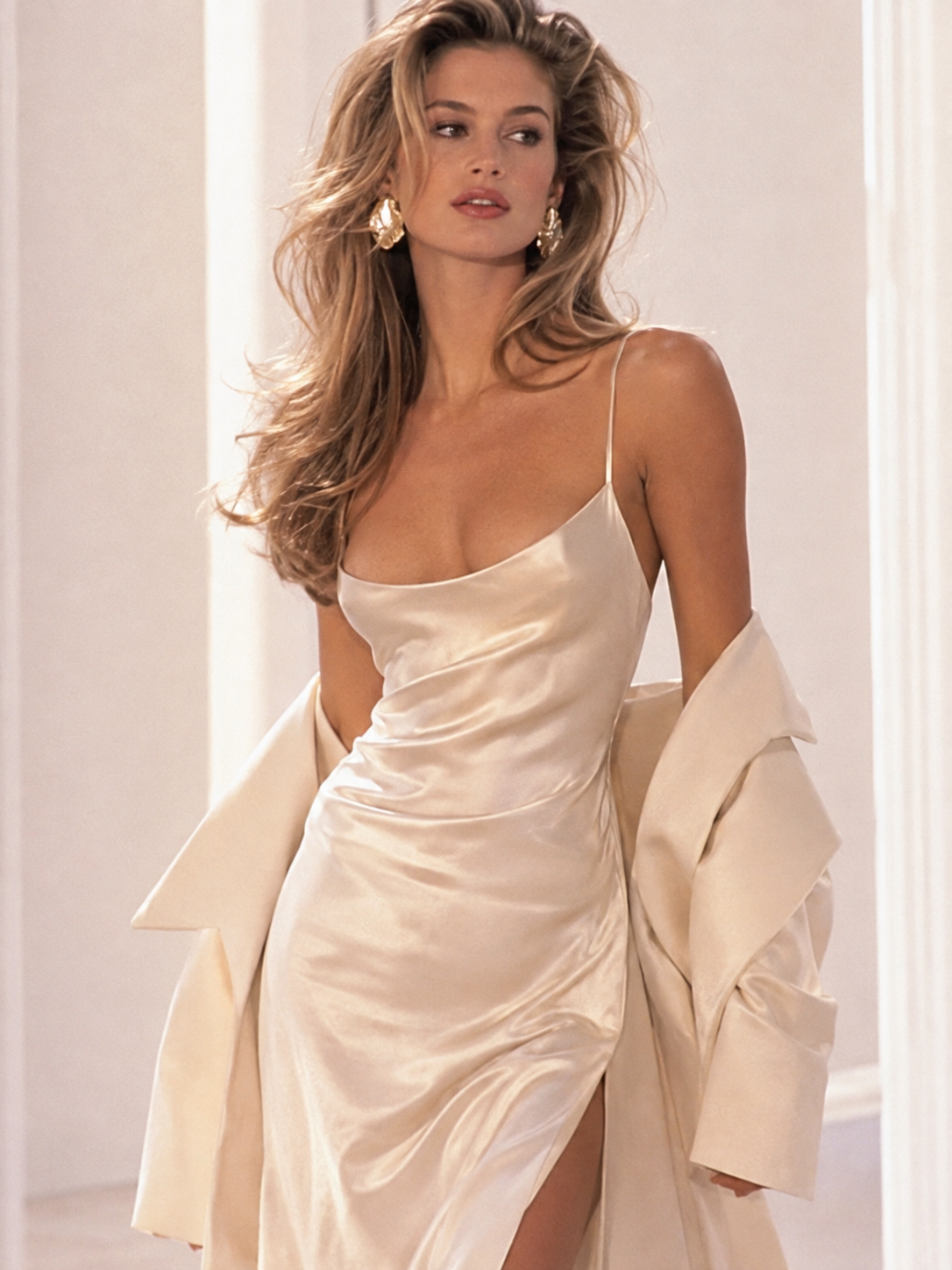
The 1990s were remarkable because fashion could be simultaneously simple and extraordinary. Calvin Klein could send a barely complicated slip dress down the runway and make it feel like the most desirable thing in the world. Helmut Lang could transform utilitarian clothing into something intellectually compelling. Alexander McQueen could turn an entire collection into an unsettling, beautiful, and unforgettable experience.
The decade understood that fashion did not have to be complicated to be interesting. Sometimes the most remarkable thing a designer could do was remove everything unnecessary.
That is something I find increasingly difficult to recognize in contemporary collections. So many clothes seem designed around the spectacle of their own existence. There are exaggerated proportions, excessive embellishments, complicated constructions, and styling decisions that make it difficult to imagine the garment existing anywhere outside the runway.
And this is where I think fashion has lost something particularly important.
There is a difference between a garment that enhances someone and one that demands to become the entire personality. Fashion should give people movement, confidence, and a sense of individuality. Instead, some contemporary collections seem to insist that the wearer become a supporting character in the designer's imagination.
It is not enough for a garment to photograph well. It should move well, feel beautiful, and make someone want to put it on.
Why So Many Collections Feel Uninteresting
What disappoints me about so much contemporary fashion is not necessarily that designers are incapable of creating beautiful clothing. It is that beauty increasingly seems secondary to making a statement.
Collections often feel as though they are competing to be the most recognizable, the most provocative, or the most visually complicated. Yet somewhere in that competition, the actual pleasure of dressing seems to disappear.
I want to see clothes that make me curious. I want to see a dress that moves beautifully when someone walks into a room. I want to see patterns that feel alive, silhouettes that flatter without being predictable, and garments that possess enough personality to stand on their own without demanding that the wearer perform an entire character.
Fashion does not need to become minimal to become wearable. It does not need to abandon sensuality, color, extravagance, or experimentation. It simply needs to remember that these things can coexist with elegance and simplicity.
Which brings me to the collection that reminded me why I fell in love with fashion in the first place.
Roberto Cavalli Spring 2027: A Collection That Actually Moved
Roberto Cavalli Spring 2027 was the first collection in quite some time that genuinely made me excited. Under Fausto Puglisi, the collection revisited the house's unmistakable sensuality, bringing together animal prints, florals, embellished denim, flowing fabrics, and unapologetically glamorous silhouettes. Yet what interested me most was not simply the extravagance. It was the movement.
There was something remarkably refreshing about seeing patterns, sensuality, and exuberance coexist with garments that still possessed an underlying simplicity. The clothes were expressive without feeling entirely consumed by their own construction. They had movement, an ease, and a sense of life that made me want to see them worn.
This is precisely what I think contemporary fashion so often forgets. Simplicity does not mean plainness. A dress can be covered in extraordinary patterns and still feel effortless. It can be revealing without becoming vulgar, dramatic without becoming ridiculous, and glamorous without appearing uncomfortable.
Cavalli understood that sensuality is not simply about exposing the body. It is also about how fabric moves around it. A flowing skirt, a beautifully cut neckline, or a printed dress that catches the light while someone walks can be infinitely more captivating than an elaborate garment that barely allows its wearer to move.
And perhaps that is why the collection resonated with me so much. It reminded me that fashion can be extravagant and still feel natural.
I Want Fashion to Feel Exciting Again
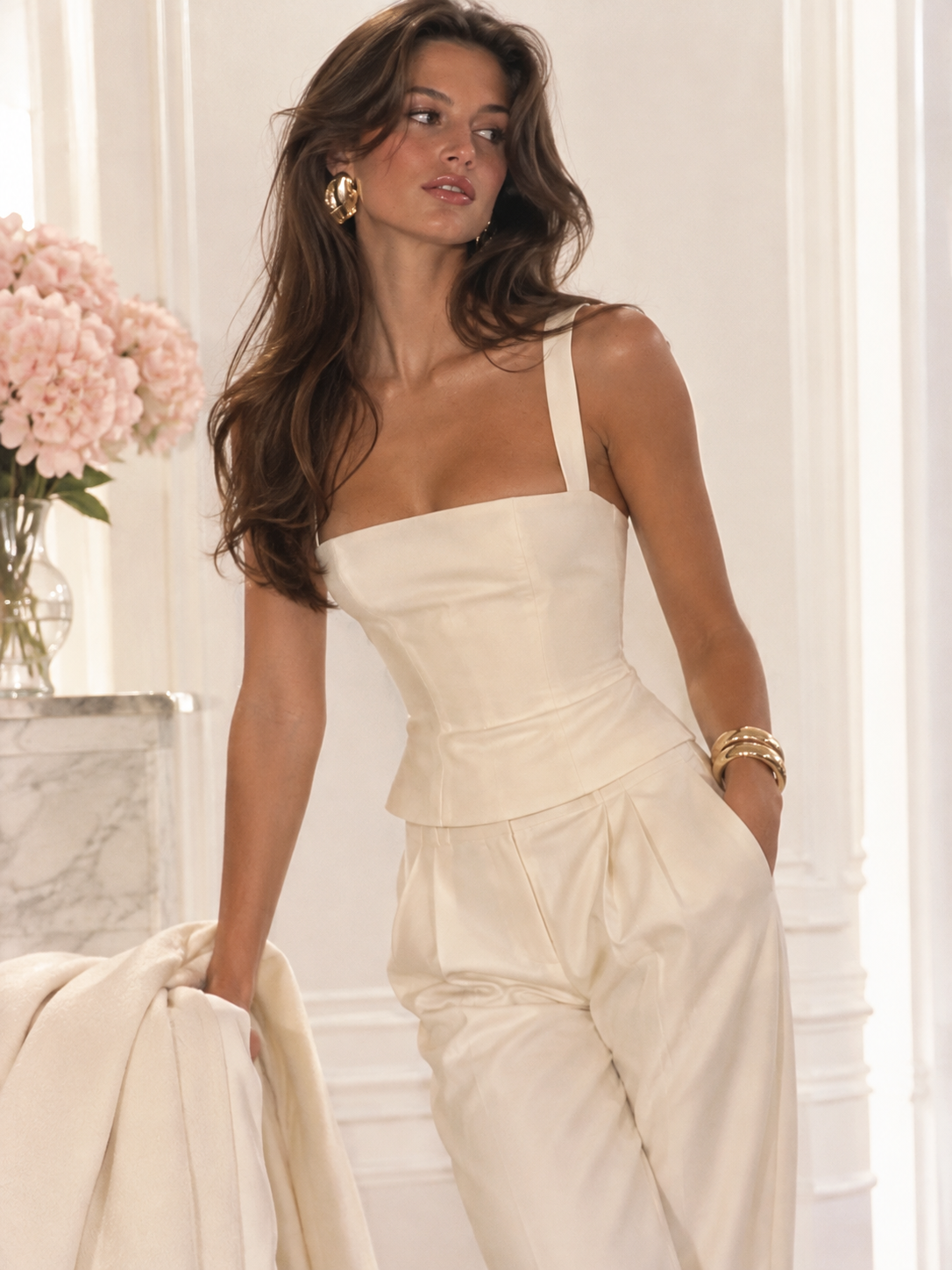
I do not think fashion needs to return entirely to the 1990s. Nostalgia alone cannot make an industry interesting, and the decade certainly had its own excesses, controversies, and mistakes. What I want is something much more meaningful than a revival of old silhouettes.
I want the confidence that allows designers to create something unexpected.
I want critics who are willing to challenge the industry. I want collections that are beautiful, controversial, imperfect, and memorable. Most importantly, I want clothes that make people want to dress.
Because fashion should not simply be something we observe from a distance. It should be something we participate in.
The best clothes have always possessed a certain freedom. They allow someone to move, express themselves, and feel entirely at ease in their own skin. They do not demand attention at every possible moment. They simply make being dressed feel wonderful.
And if Roberto Cavalli Spring 2027 reminded me of anything, it is that fashion has not completely lost that ability.
Perhaps what we need is not another trend, another aesthetic, or another collection designed to dominate the conversation for a week.
Perhaps we simply need clothes that make us fall in love with fashion again.