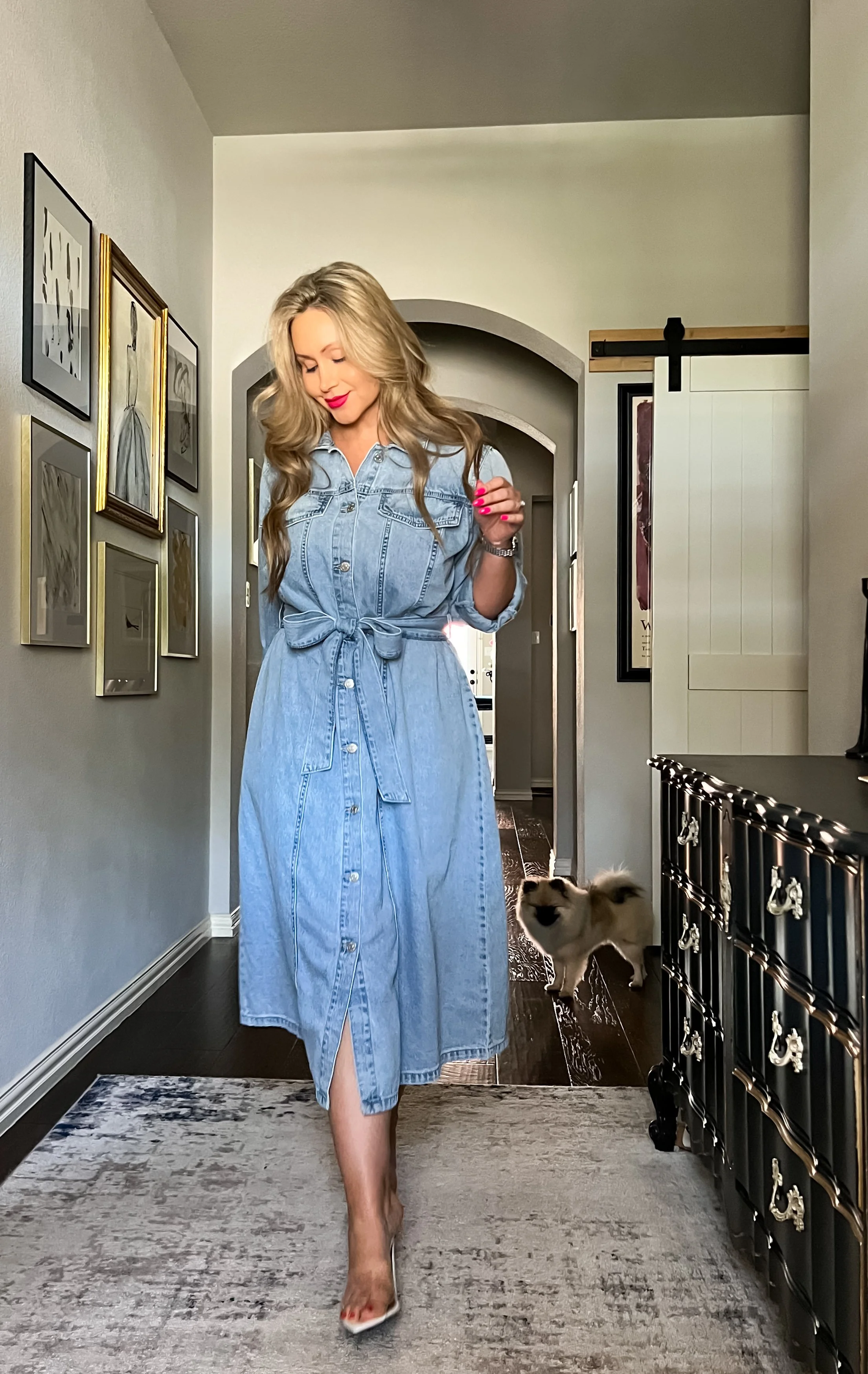
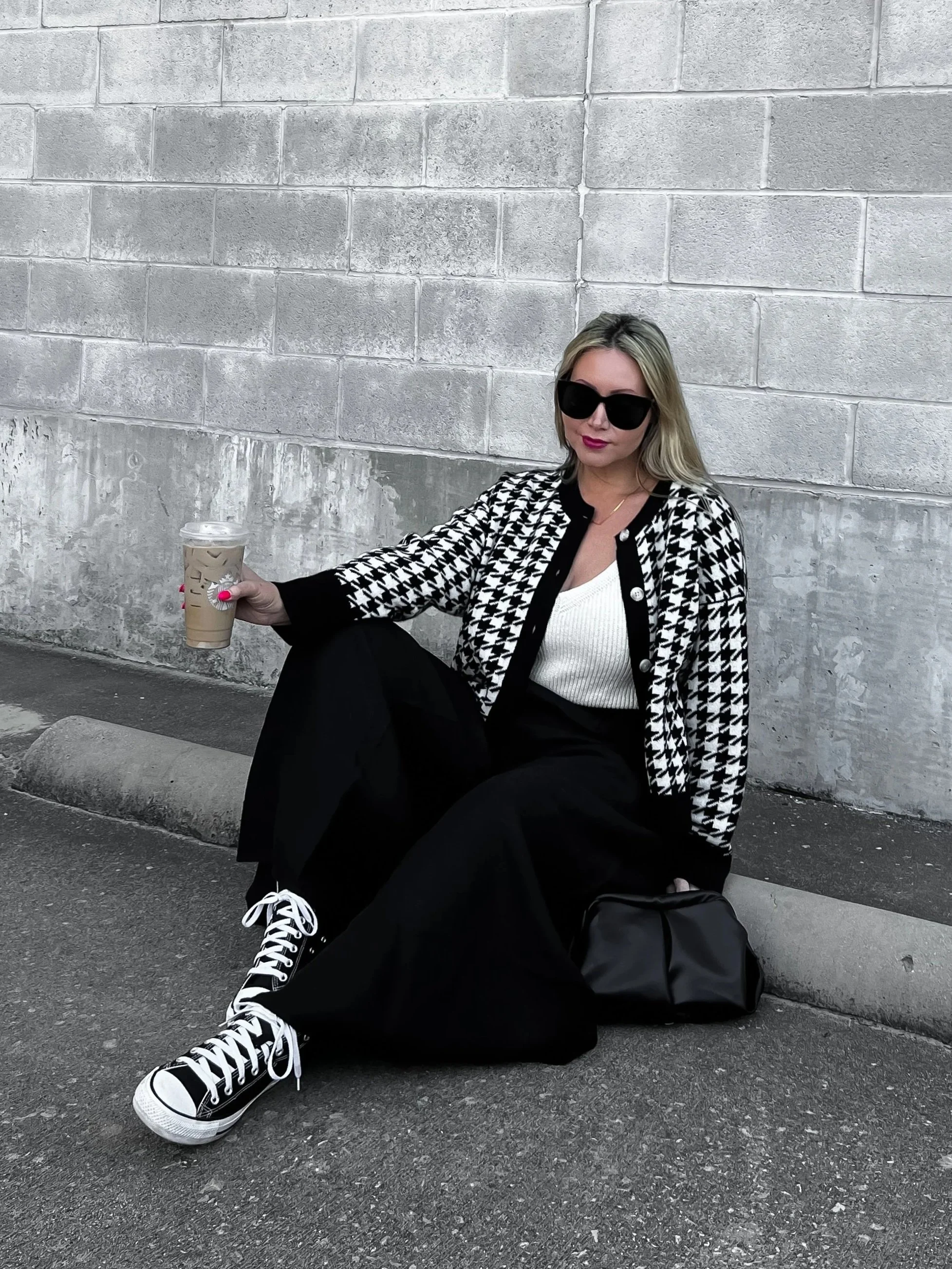
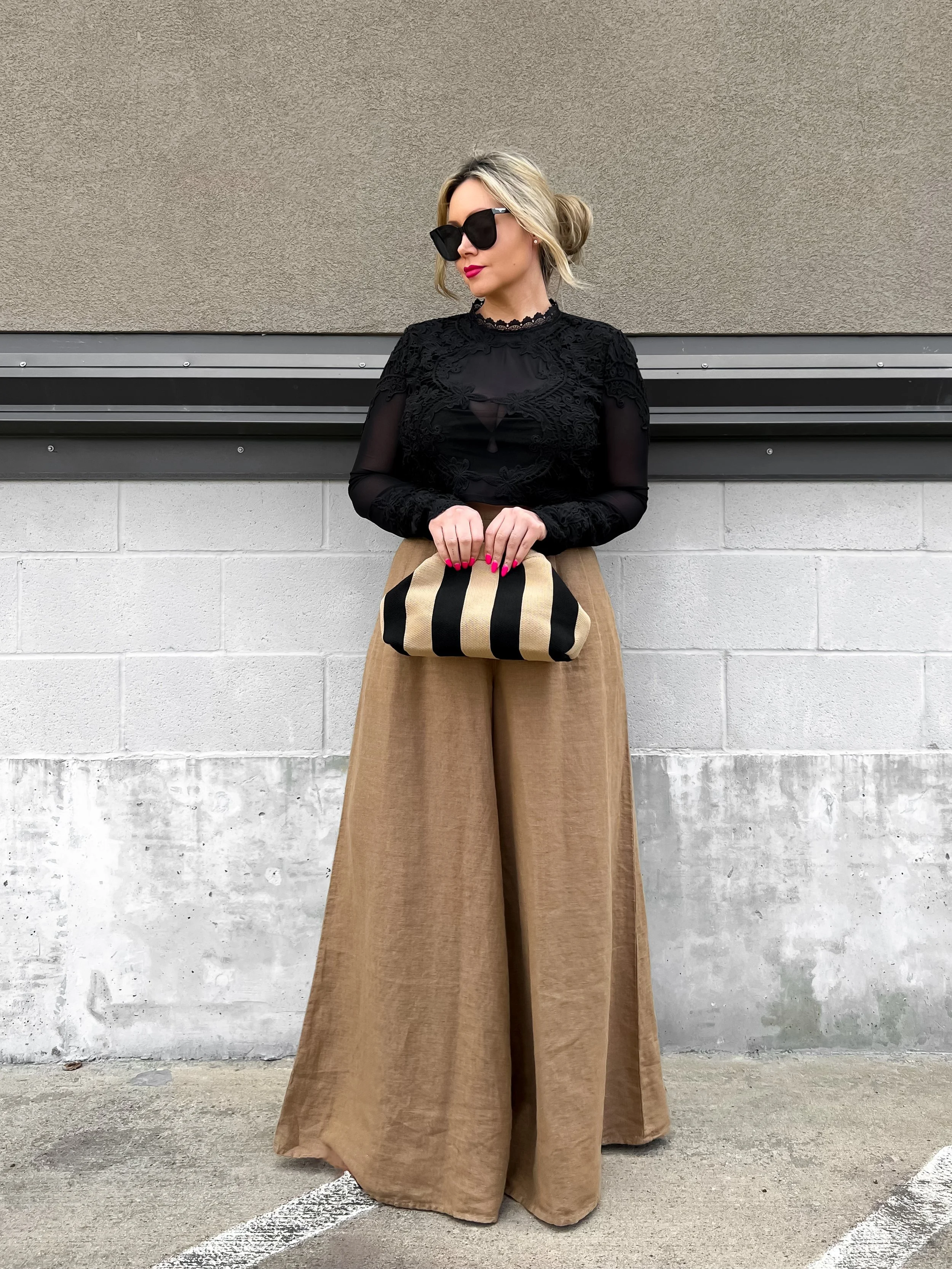
On recognizing quality, knowing when to splurge, and why a good tailor belongs in every woman’s life.
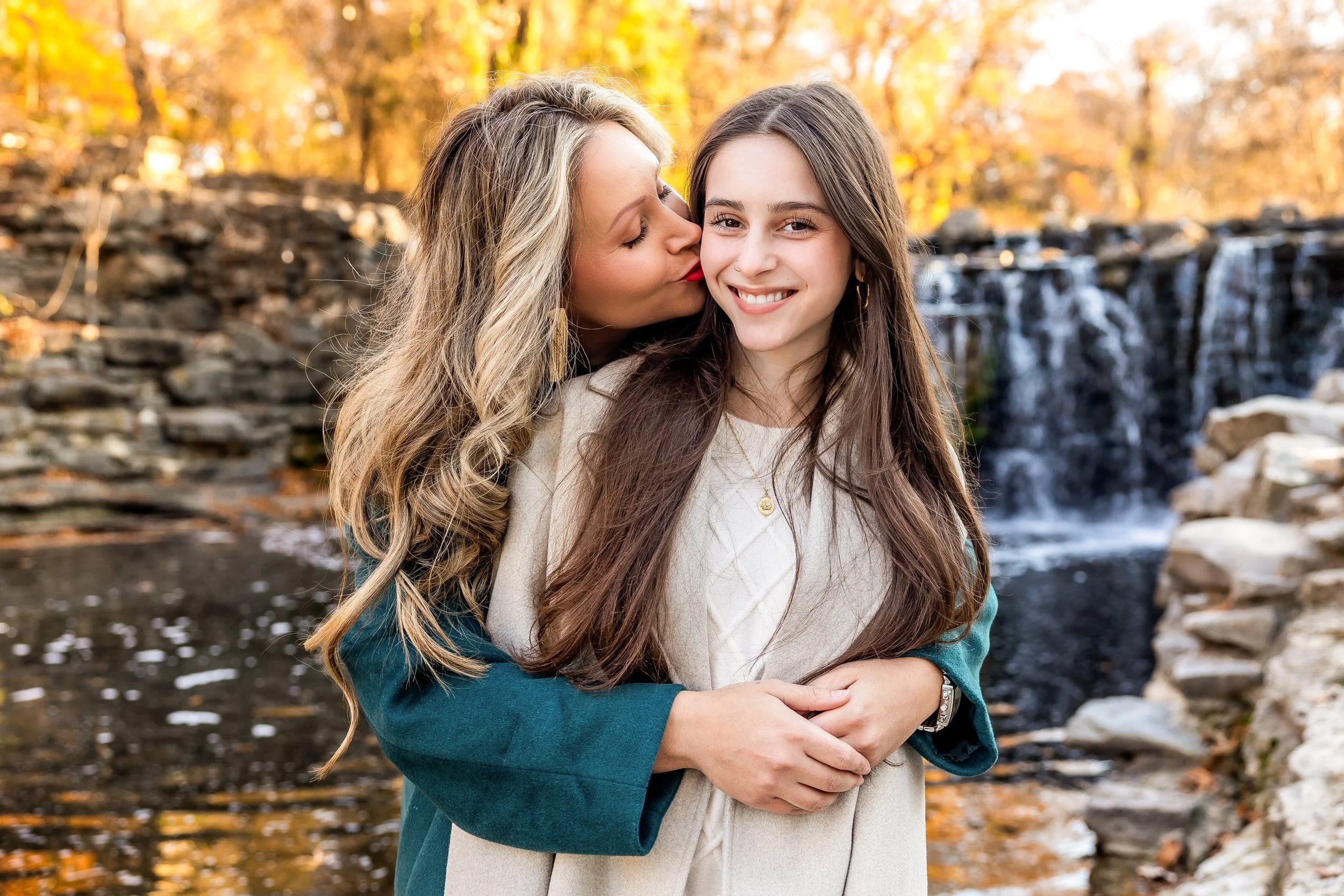
My first education in fashion came from my mom. Long before I started this journal, she was teaching me to look closely at clothing: to consider which pieces deserved a bigger investment, recognize when something didn’t fit properly, and understand what a few thoughtful alterations could change.
My mother, Christina, has loved fashion since she was young. I’ve grown up seeing that enthusiasm firsthand, but for this conversation, I wanted to ask about the thinking behind it. How did she develop her eye? What makes a garment worth bringing home? And which lessons does she hope I’ll carry into my own wardrobe? We sat down to talk about personal style, the value of good clothing, and the things a mother passes down before her daughter ever inherits a single piece.
An Eye for Style
Before you knew the names of designers or understood what anything cost, what caught your eye? What is your earliest memory of wanting to wear something simply because you loved it?
Fit. That was always the first thing I noticed. Even as a little girl, I would quietly study what people were wearing and whether the way it fit flattered their frame.
I was a child of the ’80s, but I was fascinated by ’50s fashion, for both men and women. When I was five, I desperately wanted a poodle skirt. I wanted to actually wear it, get dressed in it and go about my day. After a year of begging my parents, I finally got one.
That’s my earliest memory of wanting to wear something purely because I loved it. Fashion rules and trends didn’t exist in my world at five. There was just a Tiffany blue skirt with a white poodle on the side, and I couldn’t wait to put it on.
When you were young, who represented glamour to you? What about the way they dressed stayed with you?
My dad loved the early James Bond movies. We had all of them on VHS, and he watched them regularly. I wasn’t particularly interested in the plots, but whenever the Bond girls appeared, I would stop whatever I was doing to admire them.
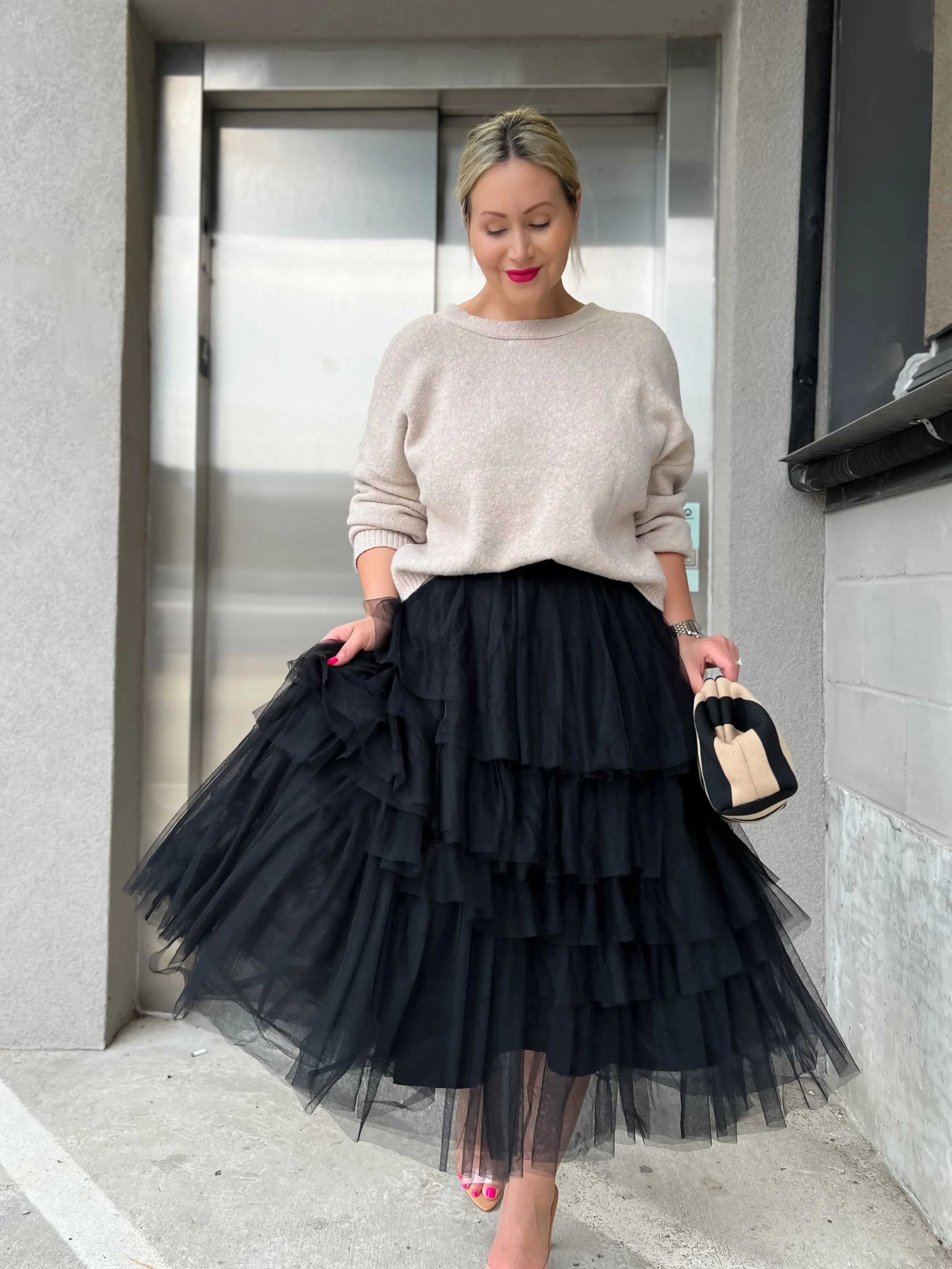
To me, they embodied glamour. Their clothes were elegant and feminine, with just enough allure. I was drawn to the women whose outfits struck that balance: never too revealing, never matronly. Their suits and dresses looked luxurious, and their hair, makeup, and jewelry felt thoughtfully chosen to complement what they were wearing. I noticed the whole picture.
I remember thinking, “That’s how I want to dress when I grow up.” I wanted to understand how to put myself together with that same sense of elegance.
You’ve loved fashion for as long as I can remember. What has getting dressed given you at different points in your life?
Confidence. Anytime I’ve been in a nerve racking situation such as a job interview or meeting influential people, I’m always more confident in that situation because of what I’m wearing. Every element of my outfit is chosen with intention. I dress to satisfy my own eye, and I’m my toughest critic. When everything feels right to me, that confidence comes through in how I walk, carry myself, and speak.
Freedom. I’ve always preferred expressing who I am through what I wear rather than explaining myself. I don’t particularly like following rules, and that extends to fashion. If I love something, I wear it without worrying about whether it’s considered a faux pas. Some people draw, paint, or make music. I like to dress. Sometimes that expression is quiet and simple. Other times, it’s loud.
Purpose. Getting dressed does something for my spirit. Leaving the blinds closed and the curtains drawn can make a home feel gloomy; not getting dressed has that same effect on me. Choosing an outfit feels like opening the curtains and letting the light in. It gives my day intention and makes me feel present in my own life.
If I walked through your wardrobe, which three pieces would tell me the most about you? What are their stories?
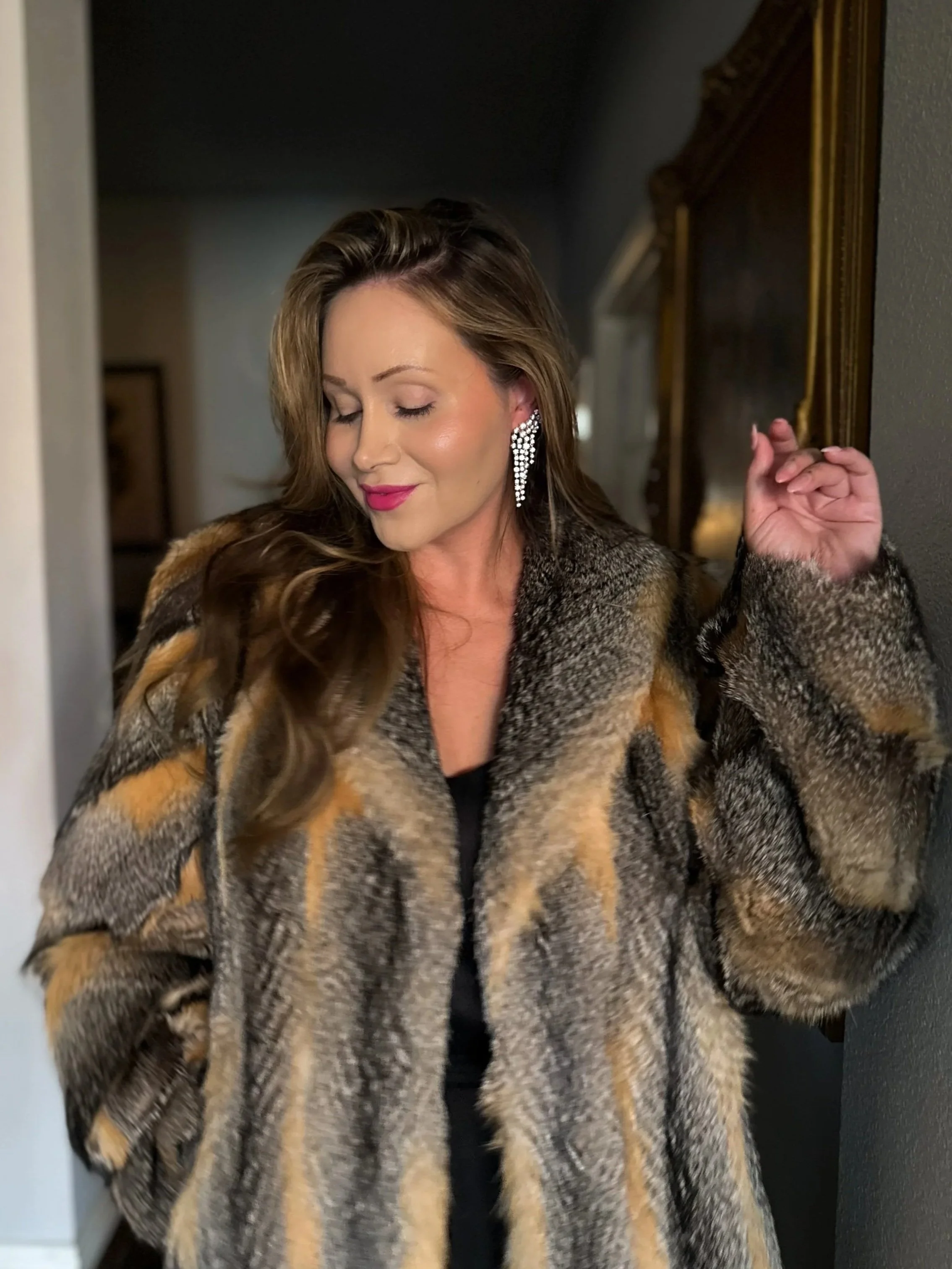
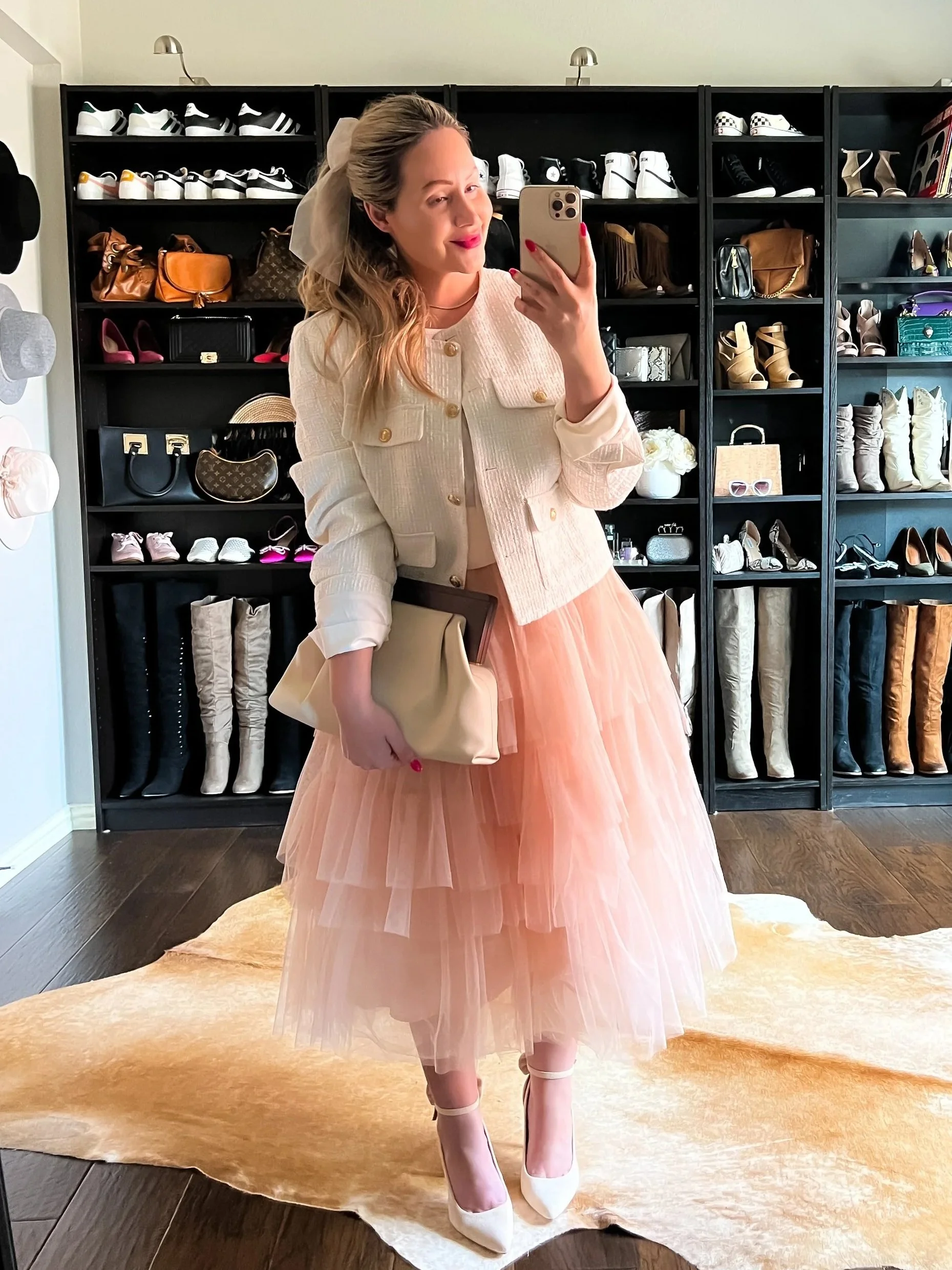
The first would be my raccoon fur coat. It’s neither the finest nor the most expensive fur I own. I paid $125 for it, but I reach for it more than any other coat. It goes everywhere with me in the cooler months. It’s my errand running coat. The color is beautiful, and it has a rustic quality that still feels elegant. It’s a little less polished, a little more relaxed, and that’s exactly what I love about it.
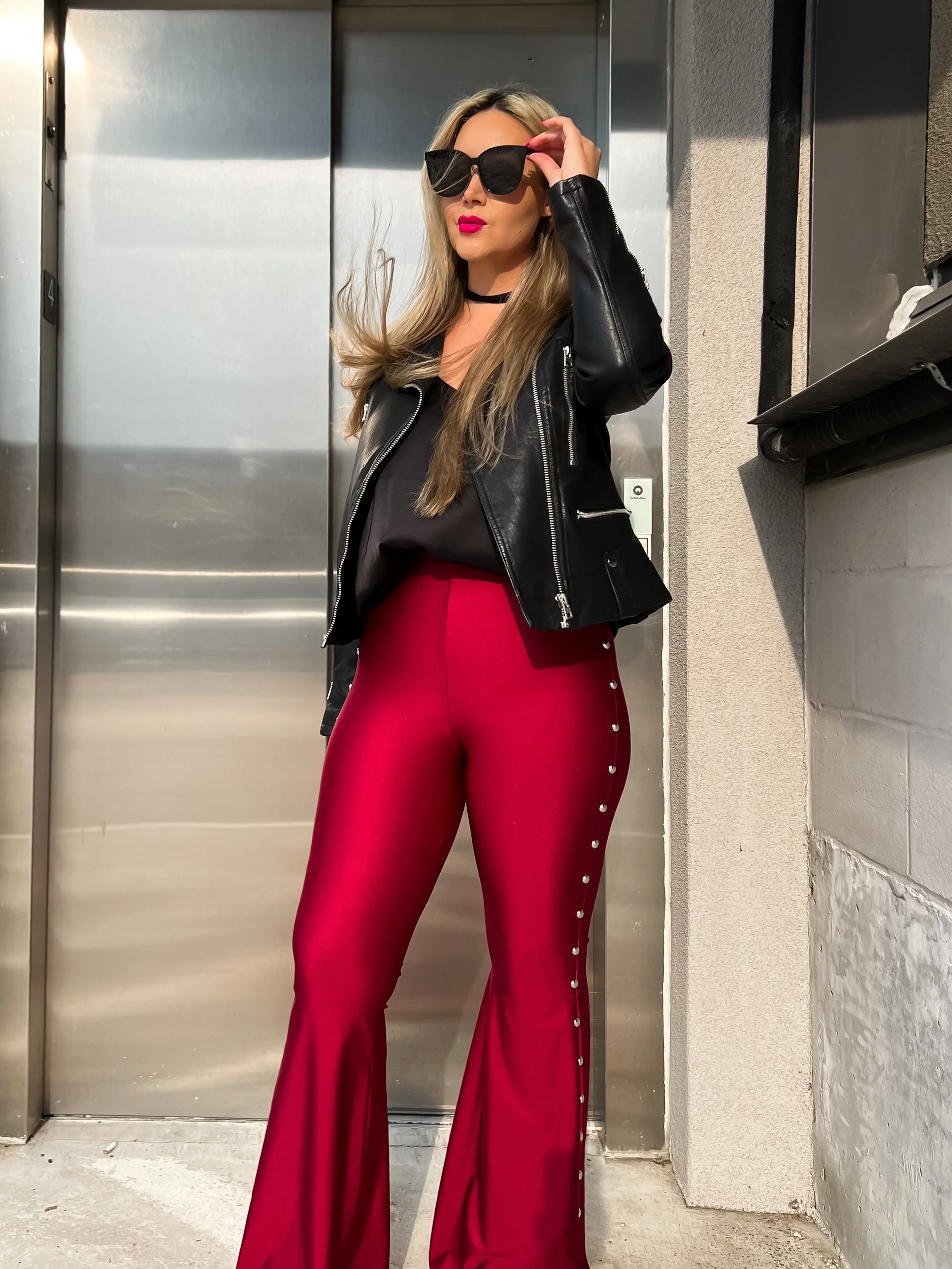
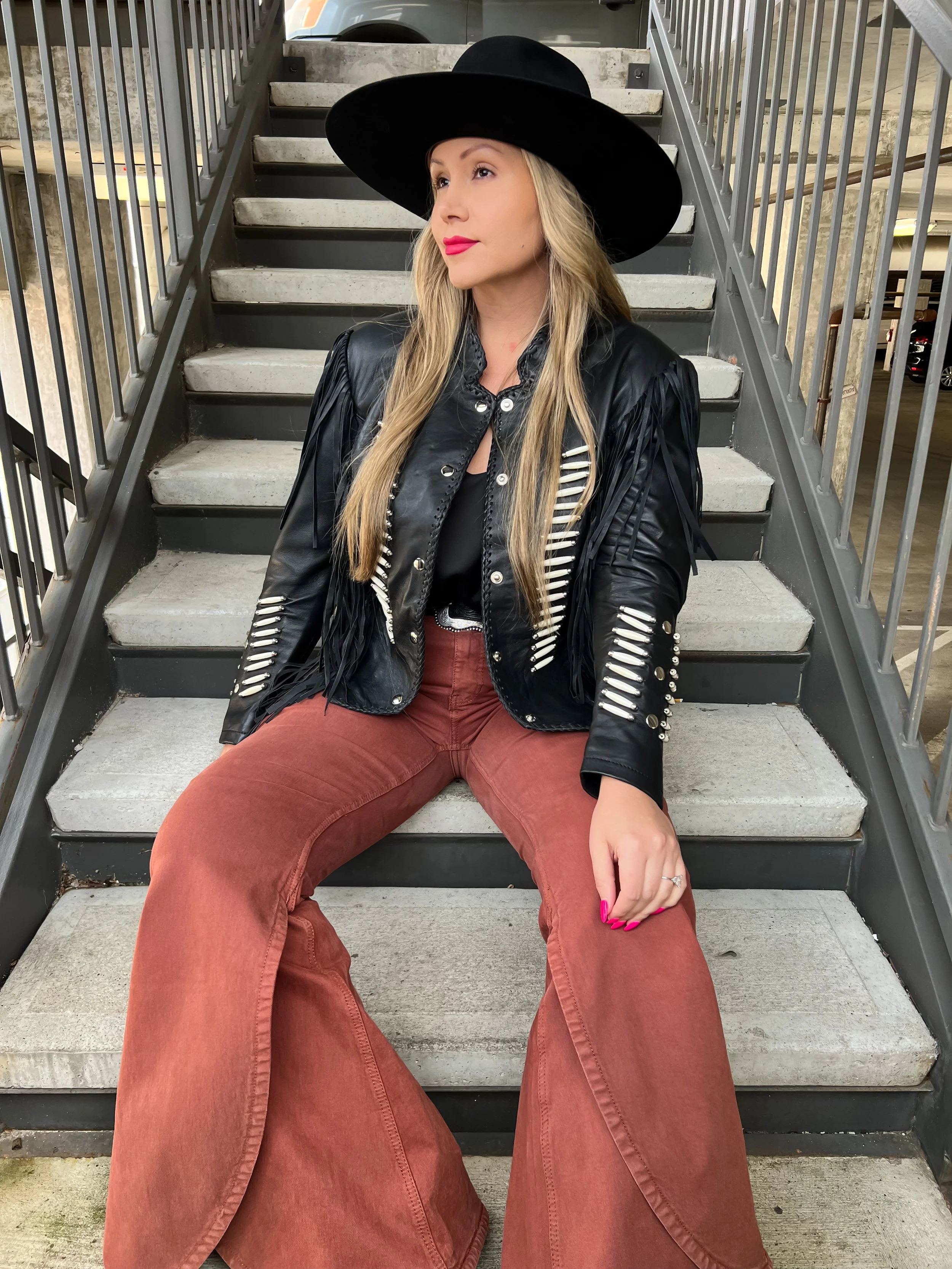
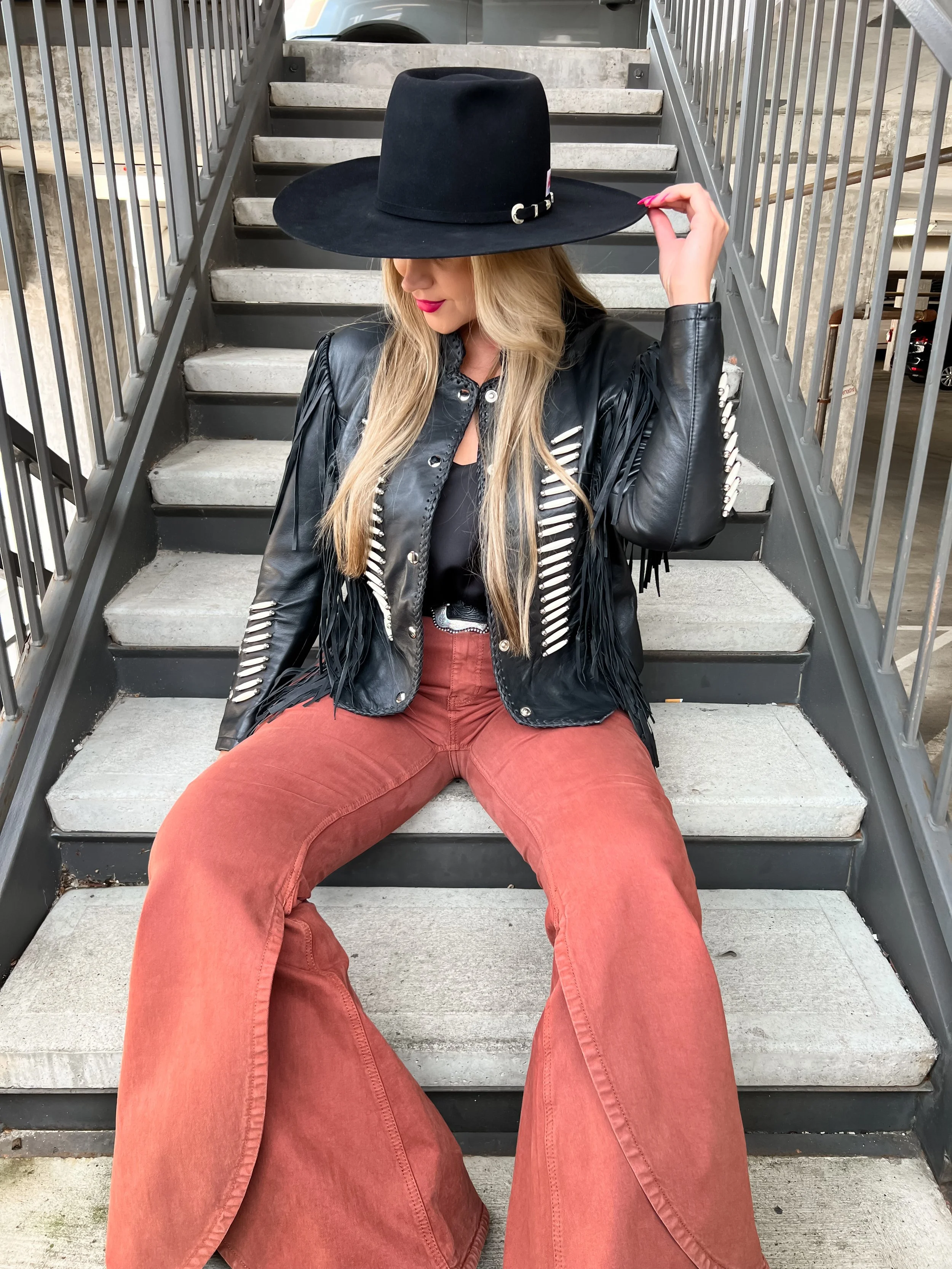
The second would be my red bell bottoms with studs down the sides. I’ve always loved bell bottoms, and I’ll wear them whether they’re in fashion or not. These were made by the same person who made Lainey Wilson’s performance bell bottoms in 2023 and 2024. I’ve worn them to two of her concerts and one other event. The red is striking, and the fabric is shiny and reflective. They’re not an everyday piece, but they are absolutely my personality in a pair of pants.
The third would be my mother’s black felt cowboy hat. I’m a seventh generation Texan from Fort Worth, and I grew up wearing Western clothes. A cowboy hat feels like home to me, but this particular one holds so much more. My mom wore it when she went line dancing or two stepping with my stepdad. She’s no longer with us, and I have so many memories of her in that hat, looking beautiful and enjoying herself.
Every time I put it on, I get teary eyed. I can still smell her makeup inside it. That familiar scent brings me comfort, and wearing her hat makes me feel like she’s with me.
What Makes a Garment Worth It
What makes you stop and look at a garment? Before you check the label or the price, what are you noticing—and what tells you it’s well made?
The style or design is what first makes me stop and look. Then I examine the construction, paying attention to how neatly the seams and hems are sewn. I have to touch the fabric. I’m feeling for its weight, texture, and substance, whether it’s soft and supple or more structured and rigid. Even a lighter fabric, like linen, should have a certain weight in my hands.
I can usually get a good sense of whether a fabric is natural by its look and feel. Natural fibers are my preference, but I’m open to synthetics or blends when the quality feels right. I want the material to support the design and feel worth wearing, no matter its price.
You’ve taught me that some things are worth spending more on and others aren’t. Which pieces deserve the investment, and where are you happy to spend less?
I’m more willing to invest in natural fabrics. They often come at a higher price, but in my experience, well made pieces earn their place through repeated wear and longevity. I also consider the care involved. Something has to work with my life to be worth the investment.
I’m more selective with synthetics, especially fabrics made to imitate silk. I’ve bought pieces that snagged, pilled, and lost their appeal far sooner than I expected. Once the fabric looks worn, the whole garment suffers. Unless the quality is there, I’d wait for a significant markdown or pass altogether.
That attention to materials is also why I’ll die on this hill: vintage Western wear is worth the investment. The pieces I’ve found from thirty or more years ago were built to last. There’s substance to the suede and leather, thickness and rigidity to the denim, and real glass beadwork on jackets that puts the plastic embellishments used today to shame. Blanket tapestry long coats made from heavy woven wool are my favorite unique western finds. It’s increasingly difficult to find that same quality in newer pieces. Those materials and details are what I’m willing to pay for, especially when decades of wear have already shown how well they hold up.
What was a purchase that changed your understanding of value? It could be something you’ve worn for years—or something you wish you’d left in the store.
Leather belts changed my understanding of value. In my experience, belts sold as “genuine leather” today don’t match the quality of those made thirty or more years ago. Even expensive ones I’ve purchased have stretched out or started peeling after a relatively short time of regular wear. Belts can cost a considerable amount, so it’s especially frustrating when the quality doesn’t justify the price.
I prefer buying vintage leather belts secondhand because they were made to last and have already been broken in. To me, they’re better value for the money than a brand new belt that needs replacing after limited use.
You’ve always insisted that I get my clothes altered. What do you see in the fitting room that most people overlook? How do you decide what a tailor can improve and when to walk away?
You explored this beautifully in your tailoring article, but there really is something wonderful about clothes that look as though they were made for you. The right alterations elevate your style and can make a garment look far more expensive. Whatever your body type, adjusting the fit can flatter your proportions and help the design sit as it should.
In the fitting room, I look at where there’s excess fabric and how much would need to be taken in to get the fit I want. I walk away from pieces that need extensive alterations, and I’m especially cautious with heavily sequined garments. In my experience, those alterations can easily cost $80 or more for a single piece. I always consider the purchase price and the tailoring together before deciding whether something is worth bringing home.
What We Pass Down
Your wardrobe includes pieces with real personality. How do you style something dramatic so it feels natural on you? Has that confidence changed with age?
I’ve spent thirty-six years playing with my style, experimenting with trends, and figuring out what feels right on me. That experience makes dramatic pieces feel natural to wear. I know what I love, what flatters my figure, and how to put an outfit together in a way that feels like me.
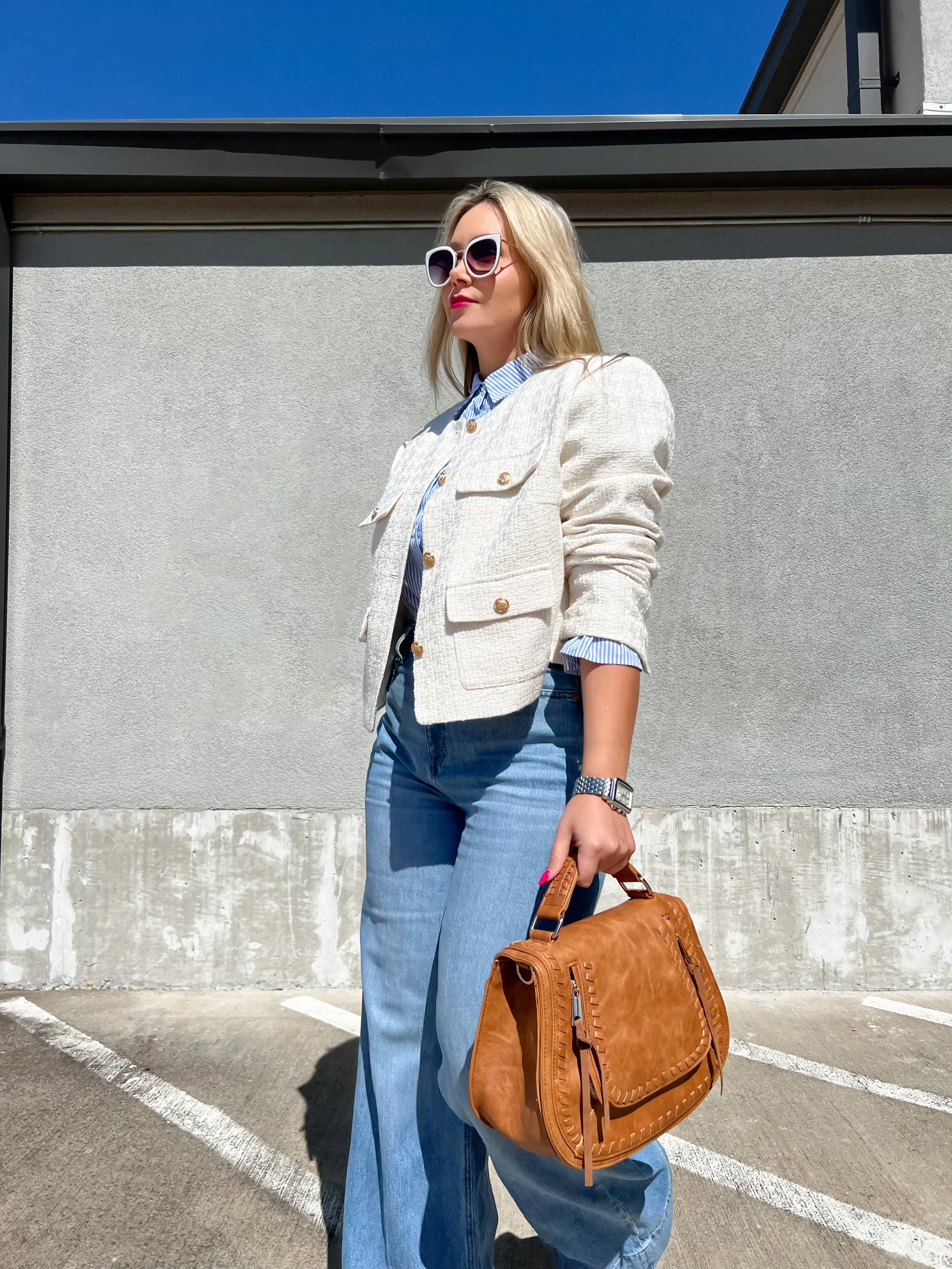
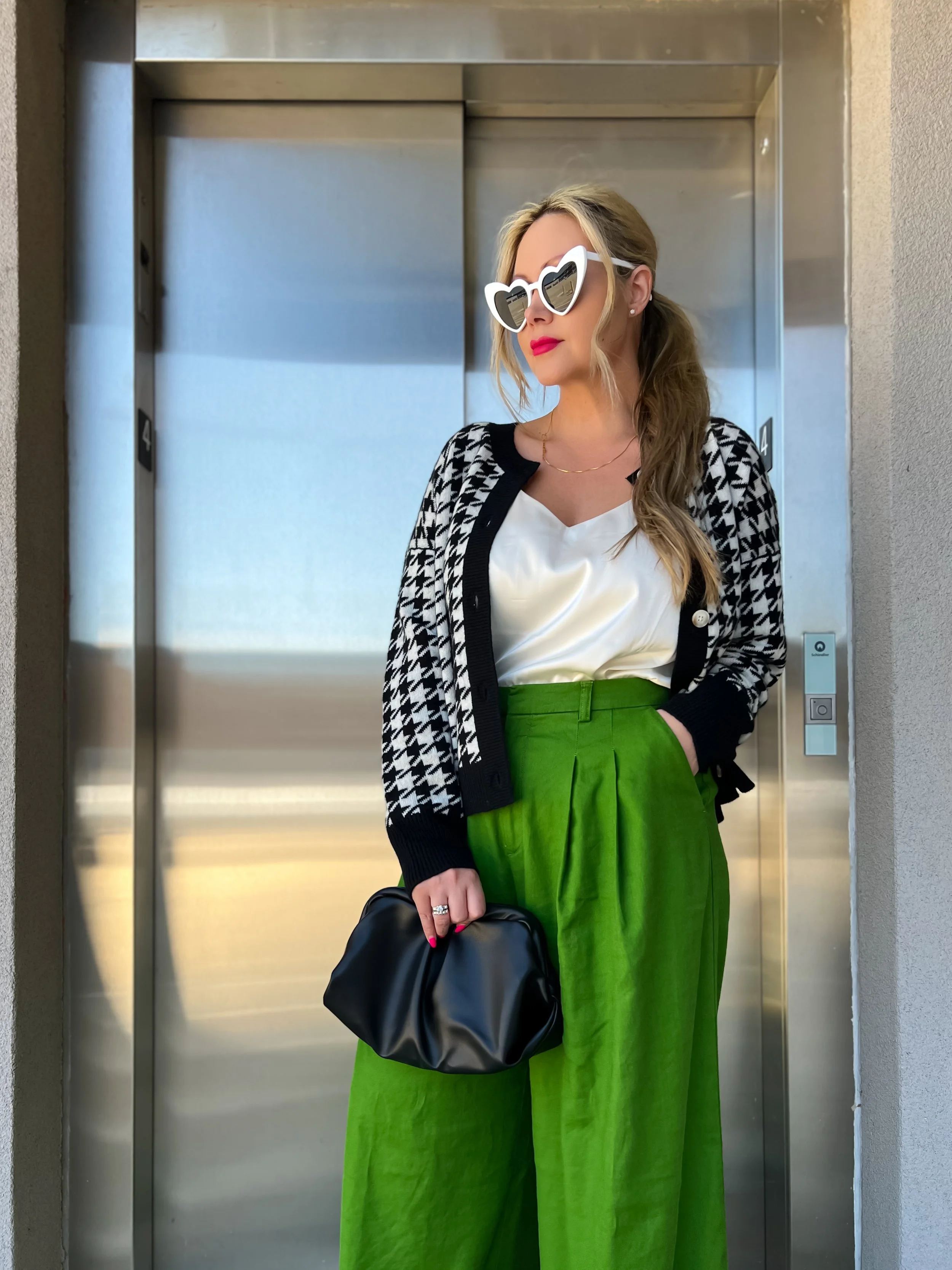
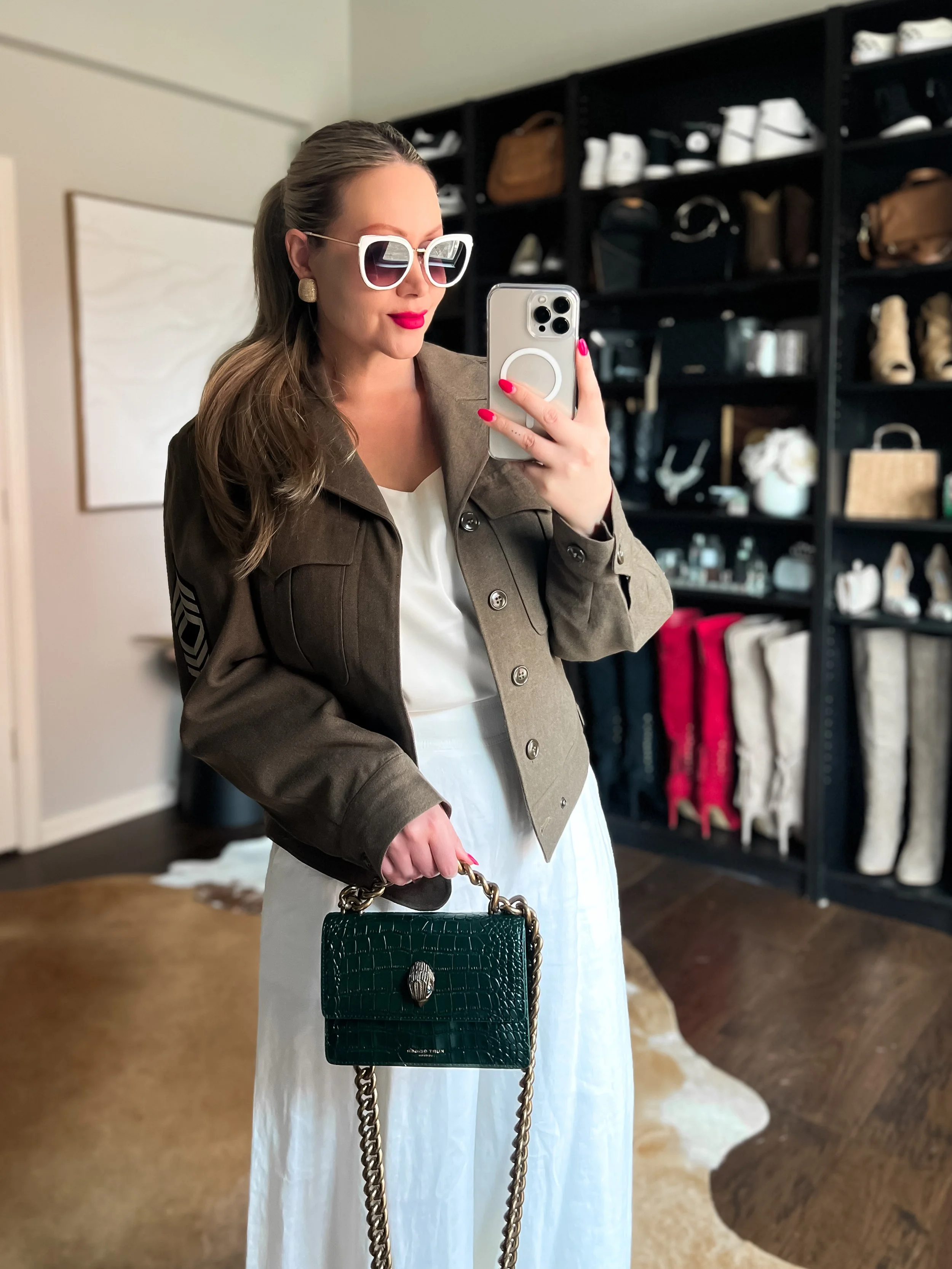
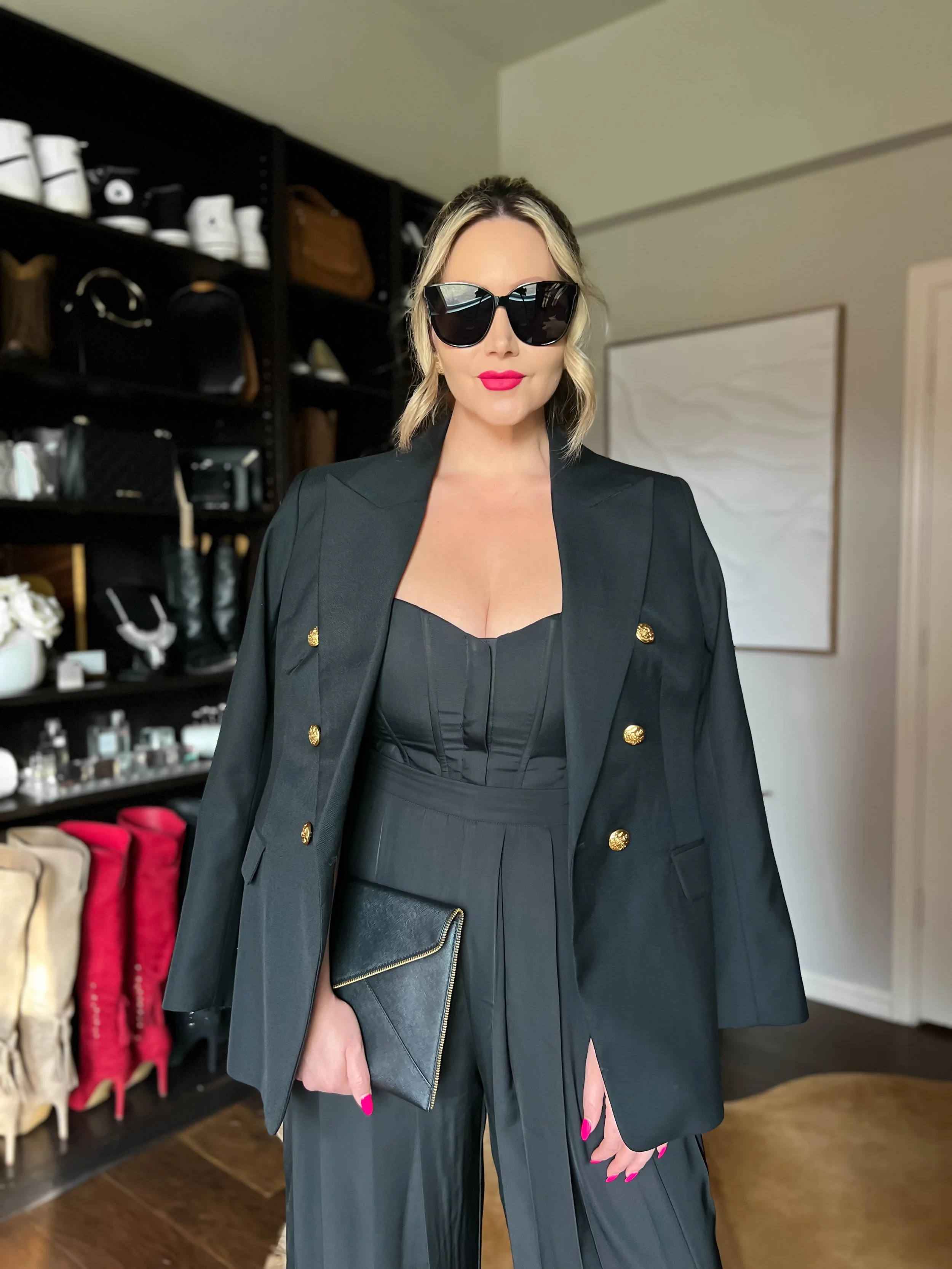
I’m an ’80s kid, so I love sharp lines, big shoulders, statement jewelry, fun handbags, and interesting shoes. Over time, I’ve become more confident trusting my own eye. I know how much drama I’m comfortable with, and I enjoy it.
What have you deliberately tried to teach me about clothing—and what did you hope I would discover for myself?
I’ve deliberately taught you to get dressed with intention and to do it often. The more you practice putting looks together, the sharper your eye becomes. You learn which proportions work, which details make a difference, and what feels like you.
I also taught you the one in three rule for showing skin, choosing where to reveal and where to keep coverage so the outfit feels balanced. A little skin can enhance a look in a feminine, alluring way while letting the clothes and your styling remain part of the story.
And I’ve taught you to edit trends. There’s nothing wrong with taking inspiration from them, but building your entire wardrobe around them can get expensive, especially when you lose interest as quickly as you fell in love. Be selective about which ones deserve a place in your closet.
What I hope you discover for yourself is your personal style. I can teach you about tailoring, getting dressed for the day, and dressing for an occasion. Developing your own way of expressing yourself through clothes is something you get to make entirely your own.
Where do you see your influence in the way I dress, and where have I surprised you?
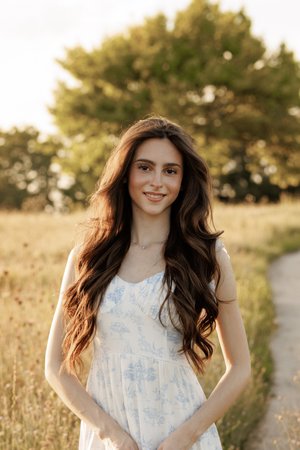
You’ve surprised me with how much you enjoy dressing up for your internship at the furrier. Your school style is relaxed and casual, which I understand, but the outfits you’ve put together for work have really impressed me. Watching you get ready reminds me of the opening of The Devil Wears Prada. Your hair, makeup, jewelry, clothes, and shoes all come together with intention.
You’re wearing the best pieces you own and finding ways to make them work together. Most of all, you seem to be having fun, which is what I’ve always wanted for you. I can see the confidence in how you carry yourself, and I can tell you’re enjoying dressing up more than you used to. That’s been lovely to watch.
If I could keep only one piece from your wardrobe to pass down someday, which would you want it to be—and what would you want me to know about the woman who wore it?
I would pass down your grandmother’s black felt cowboy hat. I’ve loved wearing it, and I know how much it would mean to you to have it one day. Something happened when your grandmother put on that hat. She walked differently, carried herself with confidence, and commanded a room. She looked so cool and absolutely stunning, and she seemed to know it.
That’s the woman I want you to picture when you wear it.