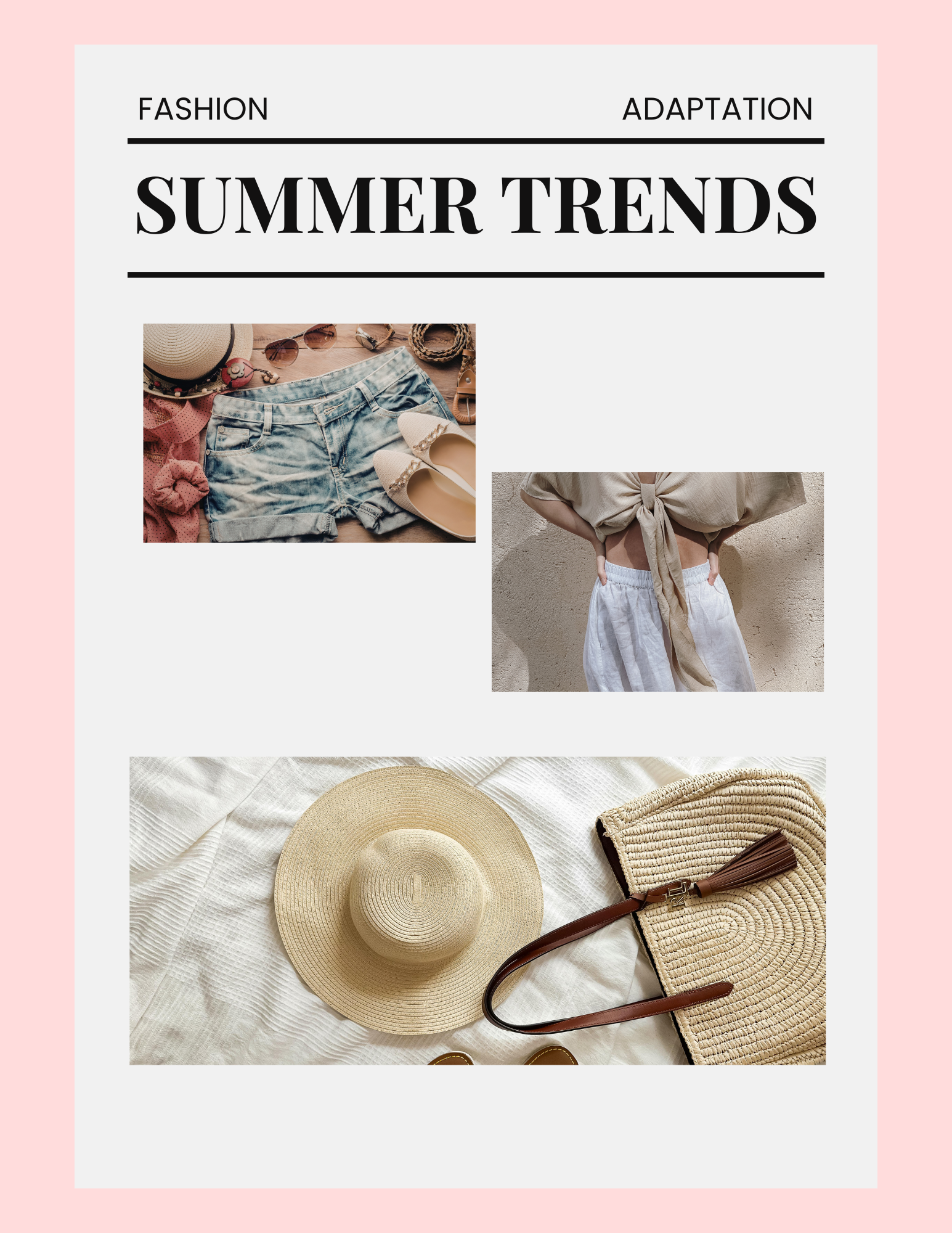
Summer Trends 2026
Summer fashion in 2026 brought together comfort, creativity, and a growing awareness of sustainability. As the season comes to a close, it is clear that this year's biggest trends were about more than simply looking good. From lightweight fabrics to relaxed silhouettes and vintage inspired styles, summer fashion reflected how people want their clothing to fit into their everyday lives. Many of the trends that defined the season were influenced by styles from the past, but they were updated to meet the needs of modern consumers.
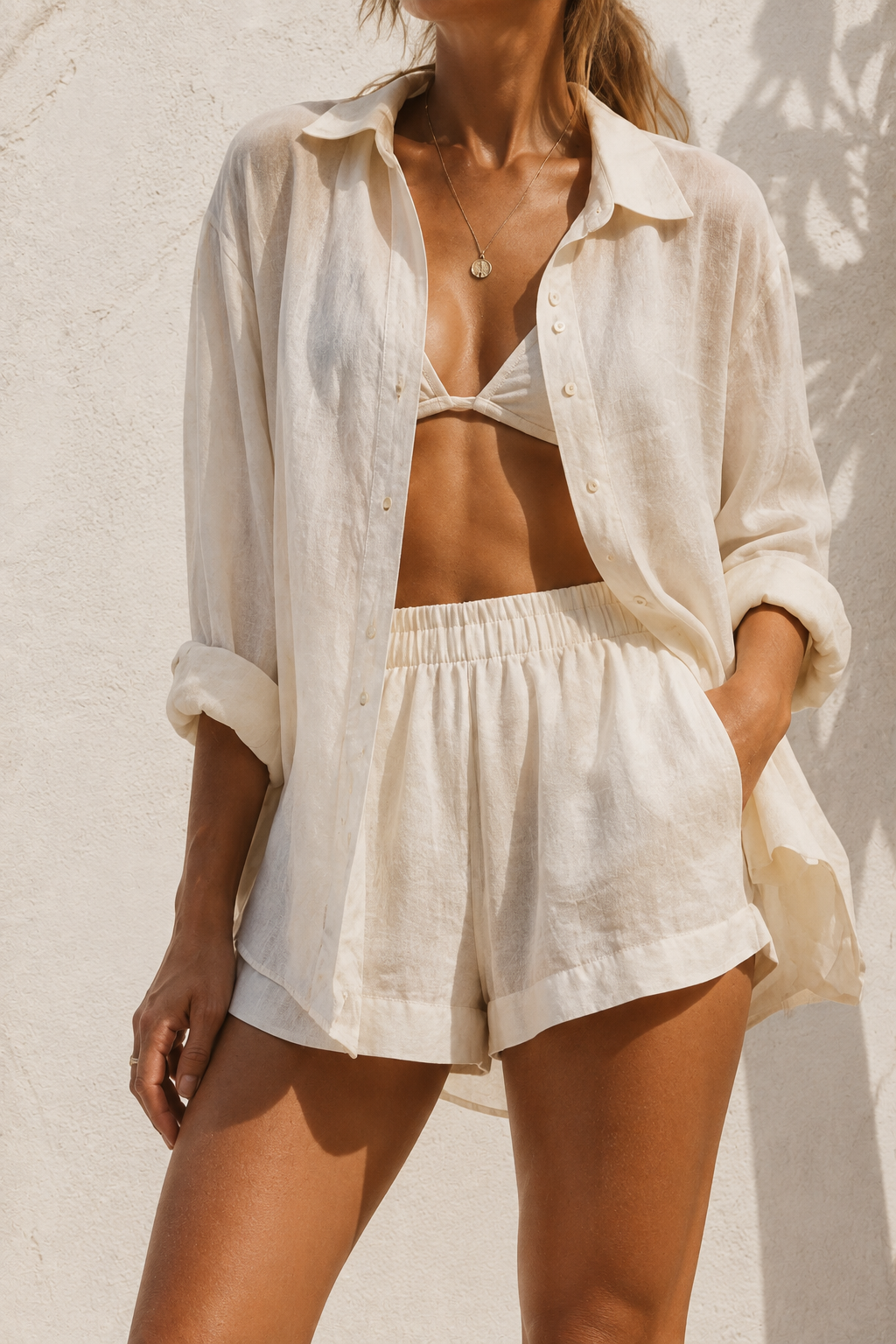
One of the biggest trends of summer 2026 was the return of relaxed, effortless clothing. Loose fitting pants, oversized button down shirts, flowing skirts, and lightweight dresses became popular because they offered both style and comfort. This trend can be traced back to earlier decades when people began moving away from restrictive clothing and choosing more practical silhouettes. In the 1970s, for example, flowing clothing and natural fabrics became closely associated with a more relaxed lifestyle. Today, that same idea has returned in a more modern form. Loose clothing allows people to move comfortably while also helping them stay cool during hot summer temperatures.
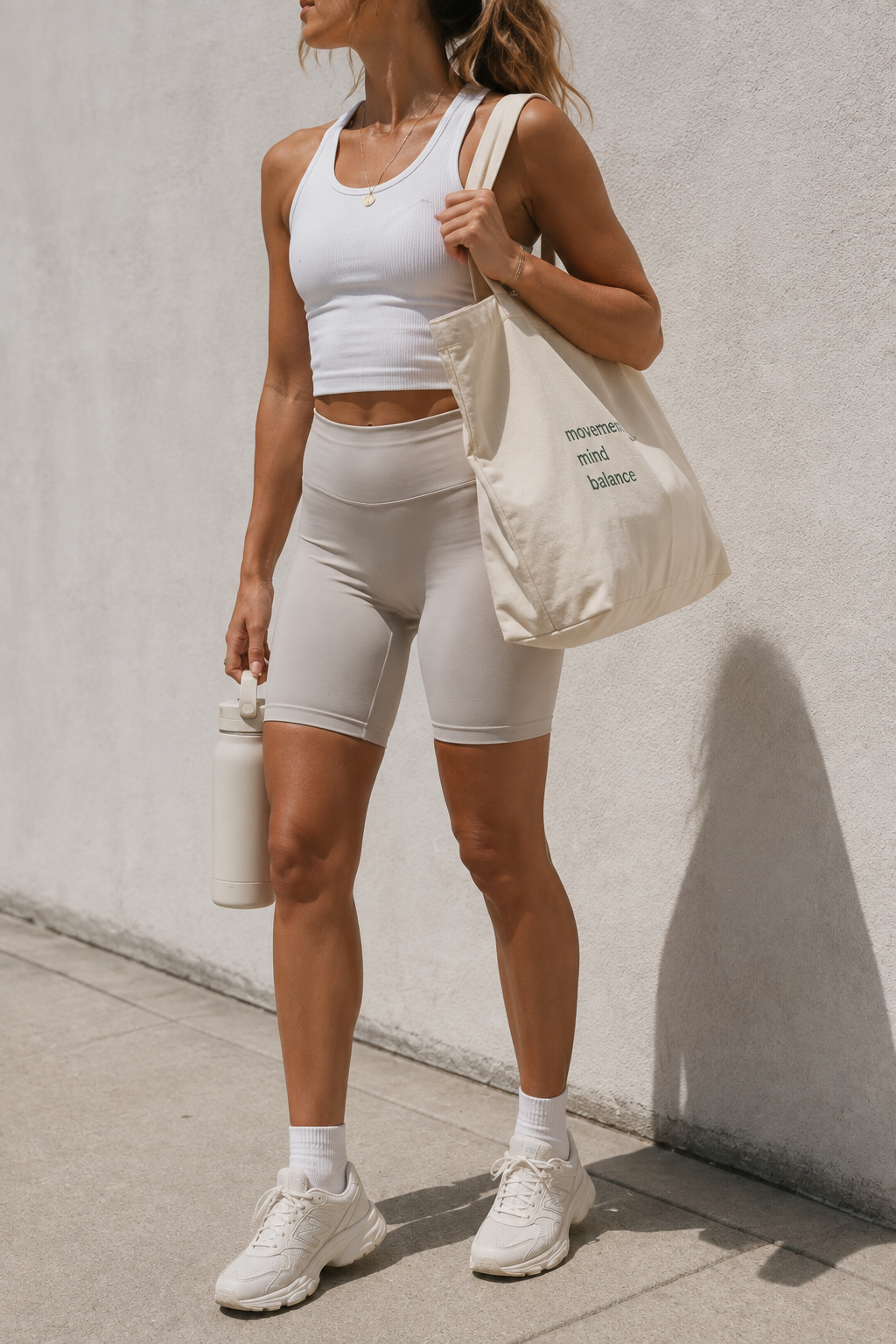
Another important trend was the continued popularity of sporty and functional fashion. Athleisure, which combines athletic clothing with everyday outfits, has become a major part of modern fashion. The trend began gaining popularity in the 2010s as people started wearing leggings, sneakers, sweatshirts, and athletic inspired pieces outside of the gym. In summer 2026, this influence could be seen in breathable tops, comfortable sneakers, lightweight shorts, and sporty accessories. These pieces were popular because they could easily transition from one activity to another. Someone could wear the same outfit while running errands, meeting friends, or spending time outdoors without sacrificing comfort.
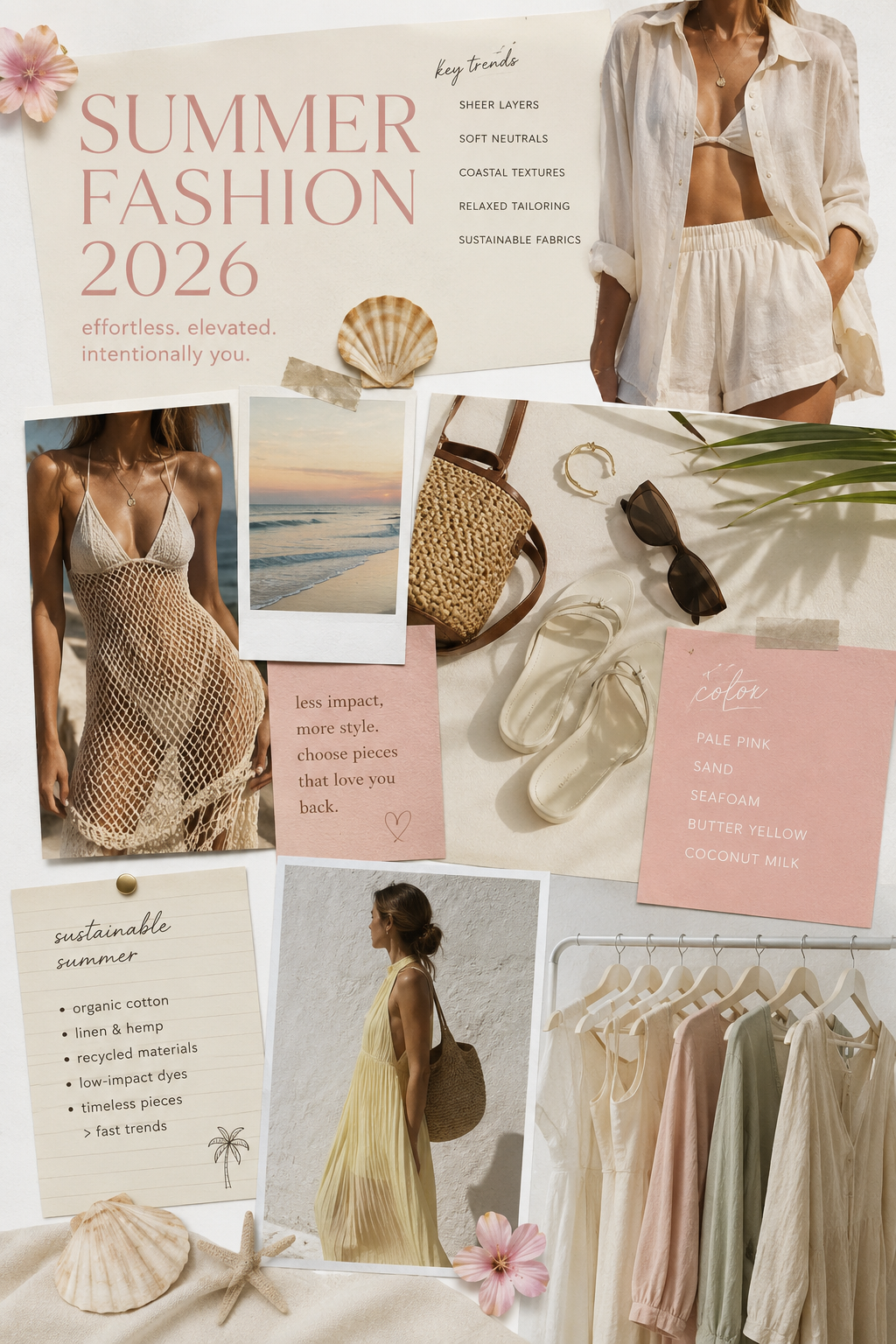
Summer 2026 also showed a strong interest in natural and breathable materials. Cotton, linen, and other lightweight fabrics remained popular because they are comfortable in warm weather and allow air to circulate around the body. This focus on functionality is especially important as temperatures continue to rise in many parts of the world. Instead of choosing clothing based only on appearance, consumers are increasingly considering whether an item is practical for their lifestyle and environment.
Sustainability was another major part of the conversation surrounding summer fashion. The fashion industry has faced growing criticism for its environmental impact, including textile waste, water consumption, and pollution. In response, many consumers have become more interested in buying fewer, better quality pieces that can be worn for several seasons. Vintage shopping, secondhand clothing, clothing swaps, and repairing older garments have also become popular ways to participate in fashion while reducing waste. However, sustainability in fashion is not always simple. Natural fabrics can still require large amounts of water to produce, while synthetic materials can release microplastics when washed. Because of this, sustainable fashion requires consumers to think about the entire life of a garment, from how it is produced to how long it is worn and what happens when it is no longer wanted. Looking back at summer 2026, the most meaningful fashion trends were those that balanced personal style with practicality and responsibility. The season showed that fashion can be comfortable, functional, and expressive while still encouraging people to consider their environmental impact. As summer comes to an end, these ideas are likely to continue influencing fashion long after the warm weather disappears.