Is Denmark The Future of Fashion Or The Past?
DENMARK, LEADING THE WAY IN SUSTAINABLE FASHION
ADAPTING FASHION FOR A MORE CONSCIOUS FUTURE
This summer I took a trip to Denmark where I visited three different cities, focused on only one thing: fashion. While the country itself had delicious food and beautiful scenery, I couldn't help but notice how fashion wasn't just clothes on people's bodies. Instead, each garment, jewel, and accessory had intention.
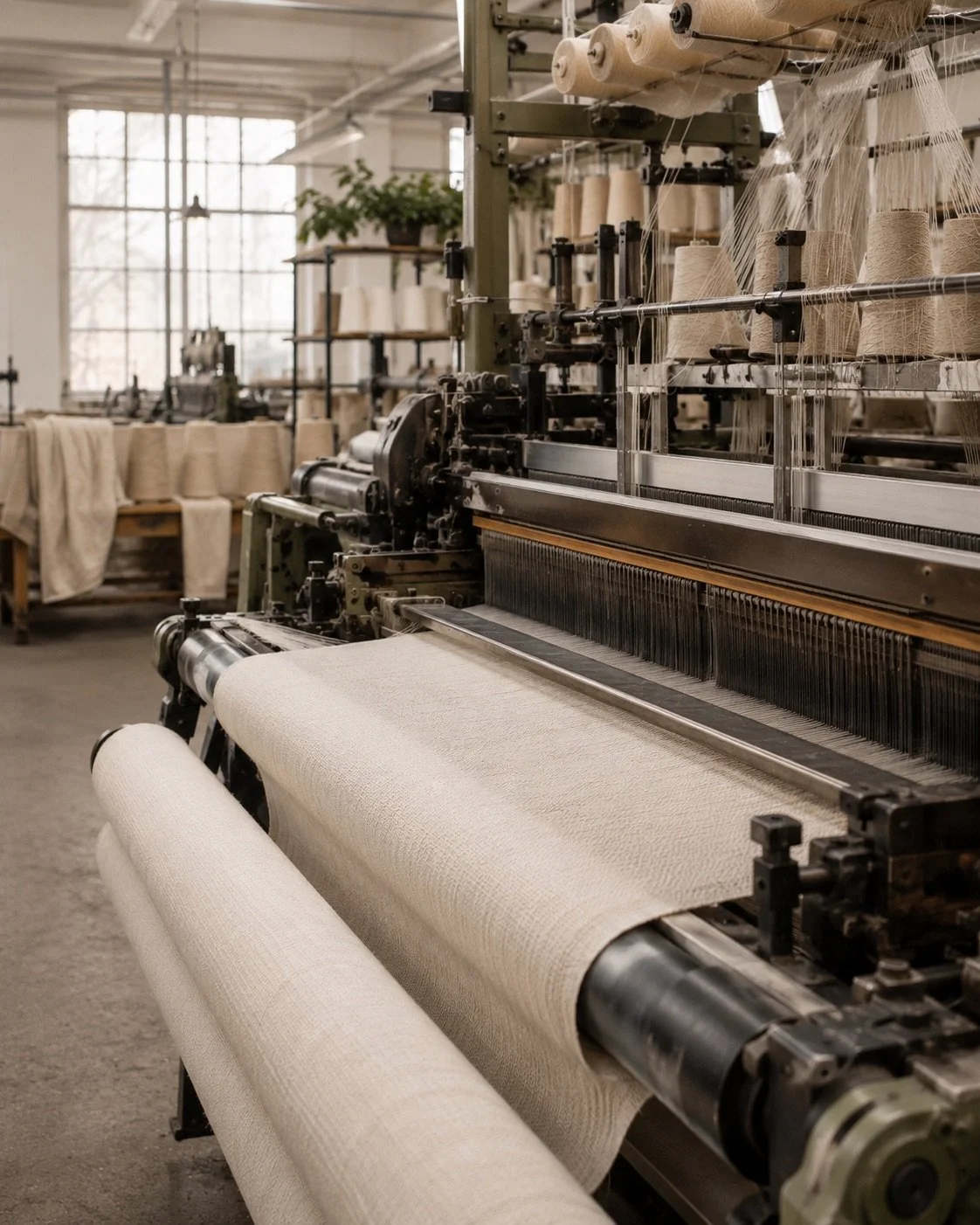
I visited the textile museum in Herning, Denmark. Herning is the heart of the Danish textile and clothing industry. It evolved from a rural village into a major manufacturing hub in the 19th and 20th centuries, transforming local sheep farming and home knitting into a large-scale, industrialized textile sector. The 1950s saw a massive boom in the textile and clothing industry in the surrounding Herning region. Men who had spent their whole lives working on farms left the agriculture industry behind and poured into the textile factories instead.
It was a massive shift, entire communities trading tractors for looms. Meanwhile, women, especially mothers, found a way to contribute without leaving their homes. They would sew garments by machine or by hand at their kitchen tables, then drop the finished pieces off at the factory. It gave them the chance to earn an income, support the booming industry, and still raise their kids. In a time when working and parenting didn't always mix, this setup was revolutionary. It showed how deep fashion was woven into everyday life, not just something you bought, but something families built together.
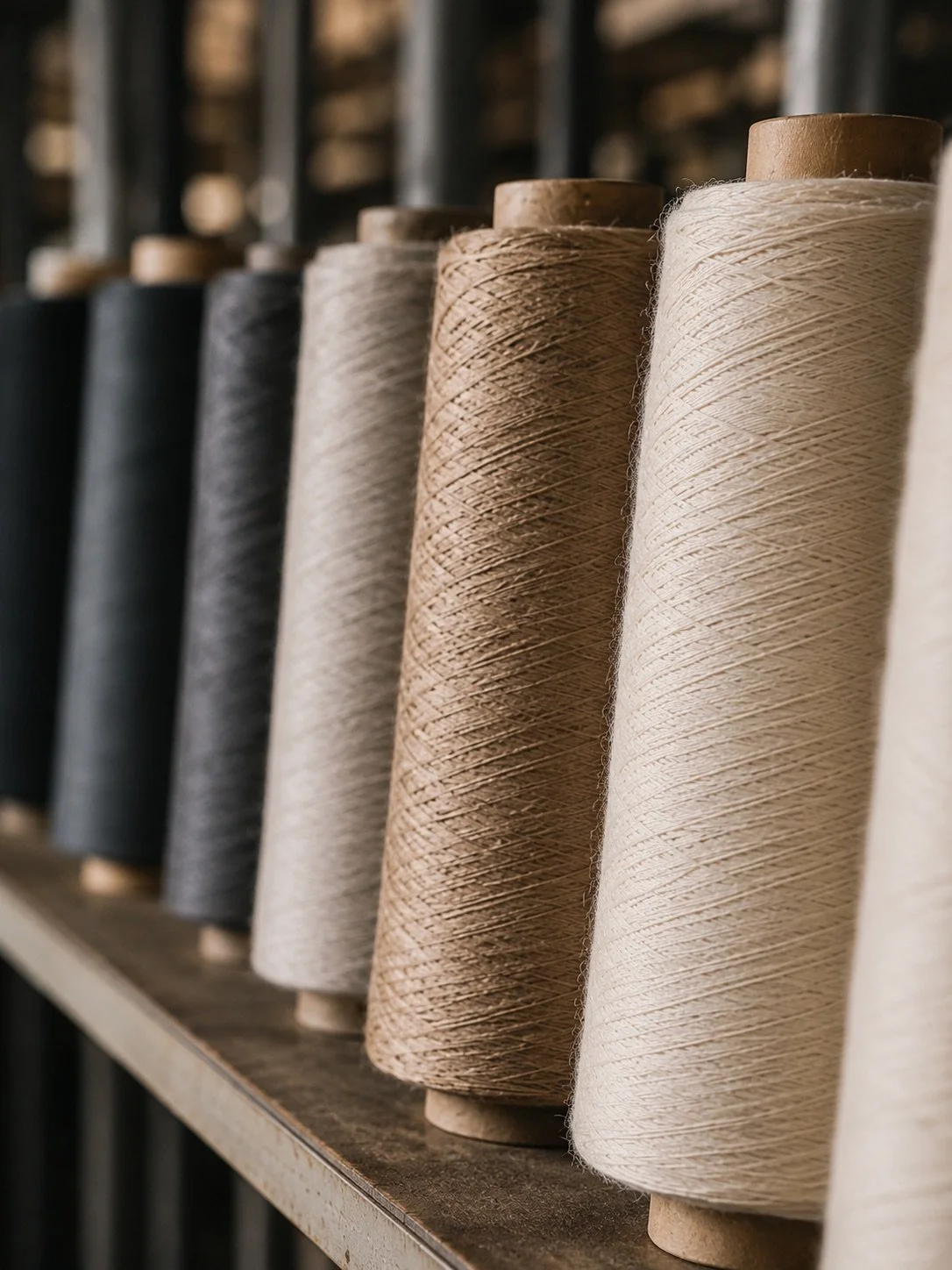
I also took a college tour of VIA University and was absolutely shocked by all the different textile machines. The amount of creativity you had at your fingertips was unreal, you could make your own fabric, spin your own thread, weave different materials together, do embroidery, and so much more. Seeing an endless range of possibilities made me realize that quality fashion starts way before the store. It starts with the maker, the materials, and the mindset behind every piece.
CIRCULAR DESIGN
A FUTURE WOVEN WITH PURPOSE, DESIGNED FOR A BETTER WORLD.
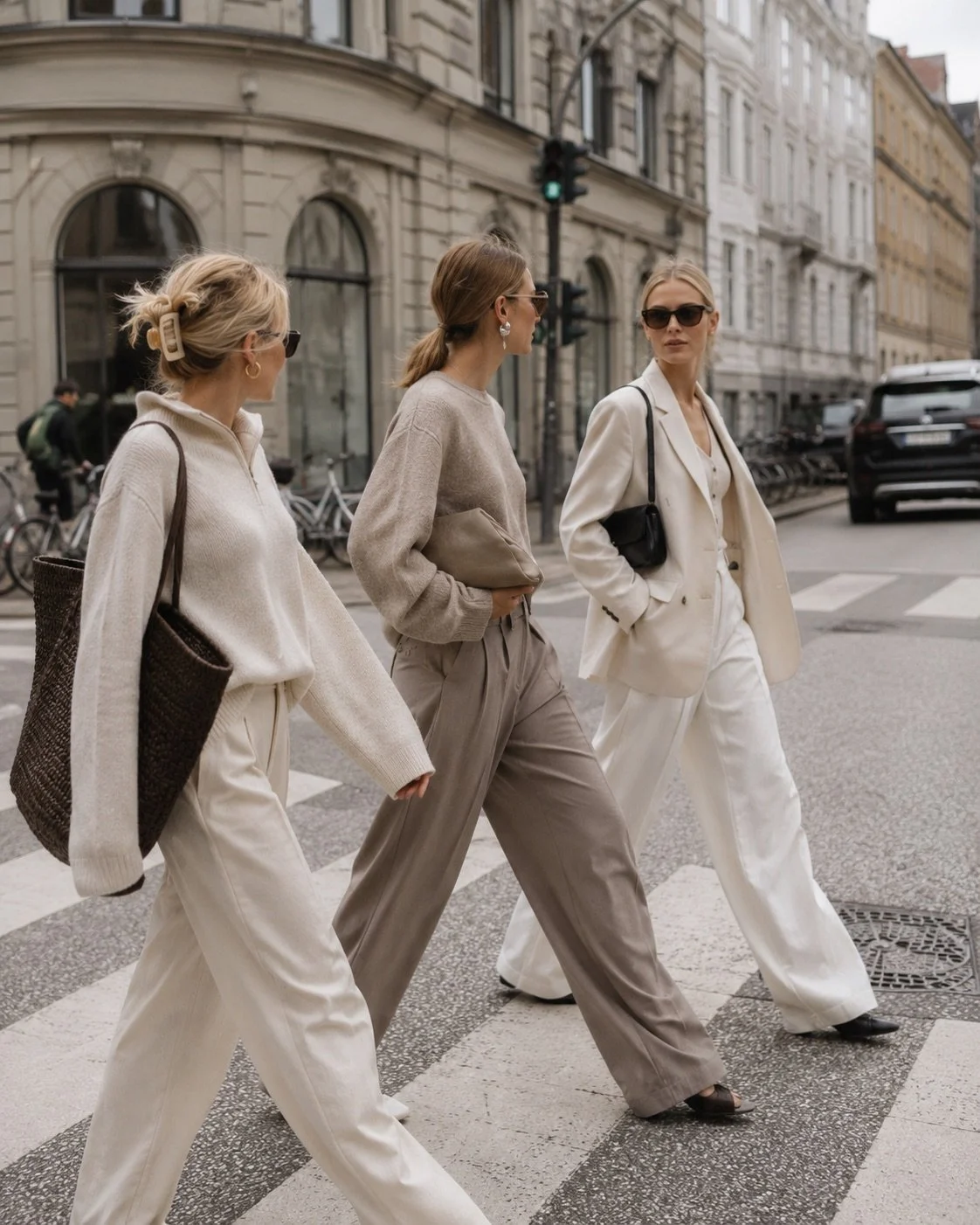
There's something about Copenhagen's architecture and landscape that naturally carries over into how people dress. The city is full of clean lines, muted brick facades, and minimalist modern buildings that blend seamlessly with historic canals and cobblestone streets. It's understated but intentional, nothing feels overdone or chaotic. That same aesthetic shows up in Danish fashion. You see a lot of neutral tones, simple silhouettes, and functional but beautiful pieces that mirror the city itself. There's no need for loud logos or flashy trends when the environment around you already feels so thoughtfully designed.
Even the harsh Nordic winters play a role, the cold forces people to invest in high-quality wool coats, sturdy boots, and layers that actually last, which naturally steers them away from cheap, disposable fashion. The landscape, with its long coastlines and flat, open spaces, also encourages a kind of practicality and connection to nature that makes sustainability feel less like a trend and more like common sense. In Copenhagen, the city and the clothes just make sense together.
Is slow fashion the future, or is it just the past dressed up in new words? Honestly, I think it's both. A hundred years ago, people didn't buy a cheap shirt, wear it twice, and throw it away. Clothes were made to last. They were mended, passed down, and valued. Fast fashion flipped that on its head, and now we're drowning in clothes that fall apart after a few washes. Denmark's approach feels like going back to that old way of thinking, but with modern technology and more creativity.
The difference is that slow fashion isn't about rejecting progress. It's about choosing quality over quantity. Danish designers focus on timeless pieces, sustainable materials, and ethical production. They reuse materials, reduce waste, and treat clothes like investments, not disposable items. Honestly, that feels more futuristic to me than cranking out thousands of cheap polyester tops that end up in a landfill.
Slow fashion is not in the past. It's the future we forgot we needed. Denmark reminded me that fashion can be beautiful and responsible, and that's something worth writing about.

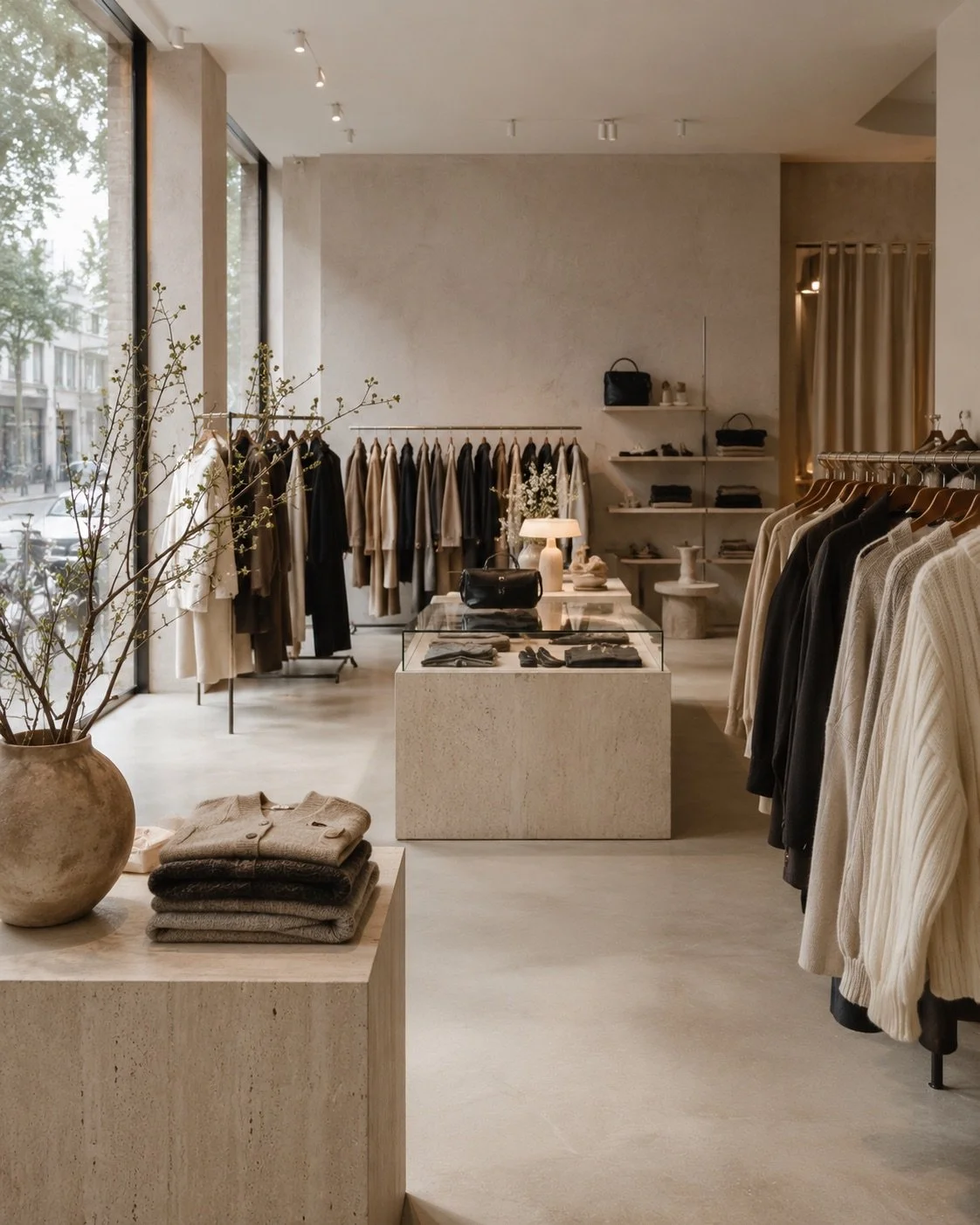
Denmark also has a strong culture of clothing swaps, repair cafes, and rental services. It's not just about buying secondhand, it's about keeping clothes in use for as long as possible. There's this unspoken understanding that throwing away a perfectly good jacket just because it's last season is kind of wasteful. Honestly, that made me rethink my own shopping habits. Why buy five cheap tops that'll fall apart when I could invest in one timeless piece that'll last me years.
Beyond just secondhand shopping, Denmark's fashion industry is built around a genuine commitment to the environment, and it shows in everything from design to production. Danish brands prioritize sustainable materials like organic cotton, recycled wool, and Tencel, which uses far less water than traditional fabrics. Many designers also embrace circular fashion, meaning they create clothes that can be broken down and remade into something new instead of ending up in a landfill.
There's a huge emphasis on durability too, pieces are designed to last for years, not just one season. Even the production process is more mindful. Factories in Denmark and nearby European countries follow stricter environmental regulations, and a lot of brands are transparent about where their materials come from and how their garments are made. You'll see labels proudly advertising "GOTS-certified" or "OEKO-TEX" because that kind of accountability matters to Danish consumers.
It's not just a marketing gimmick either, the government supports this through initiatives like the Danish Fashion Institute's sustainability efforts and grants for eco-friendly innovation. The whole system pushes designers to think beyond profit and consider the actual footprint of what they're creating. Walking around Denmark, you can feel that awareness in the air. People genuinely care about where their clothes come from and where they'll end up, and that changes everything about how fashion operates.

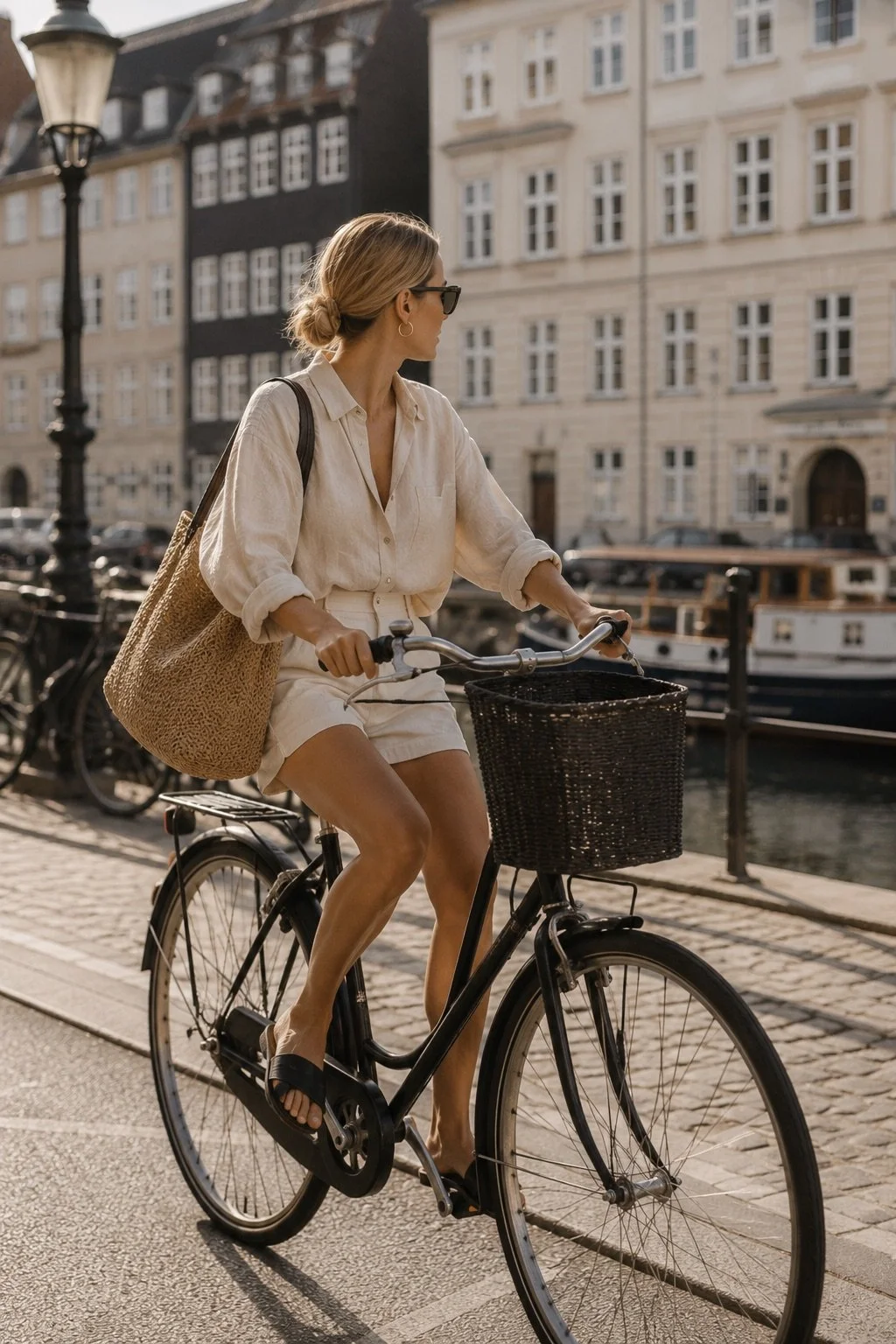
Walking through Copenhagen, I couldn't ignore how different the shopping culture felt compared to the states. The secondhand and vintage scene is a cornerstone of the city’s eco friendly circular economy. I'm not talking about dusty thrift shops with stained sweaters in the back corner. These stores are highly curated, effortlessly chic, upscale, bridging the gap between casual thrift and luxury consignment. You'll find a vintage store next to a high-end boutique, and people treat both with the same level of respect.
What I loved most is that shopping secondhand in Copenhagen doesn't feel like you're "settling" for used clothes. It feels intentional. People aren't just hunting for a bargain, they're looking for something unique, something with a story. That mindset changes everything. When you buy a vintage piece, you're not just saving it from a landfill. You're saying no to the endless cycle of fast fashion and yes to quality, craftsmanship, and individuality.