The Real Cost of Getting Dressed
What Are We Really Wearing?
Every year, more than 100 billion garments are produced globally. Many of which are worn only a handful of times before being discarded. The scale of fashion waste is staggering, yet it remains largely invisible in our daily routines. Getting dressed is something we do without hesitation, slipping into shirts, dresses, jeans, socks, and shoes with little thought beyond style or comfort. But behind each item lies a complex story of resources, labor, and environmental impact.
Clothing has always reflected identity, culture, social status, and personal values. Today, it also reveals something far less visible: the true cost of fashion on both people and the planet. Despite this, few consumers pause to ask a simple but important question before making a purchase: What is this garment actually made of?
Price Vs. Material: A Misleading Relationship
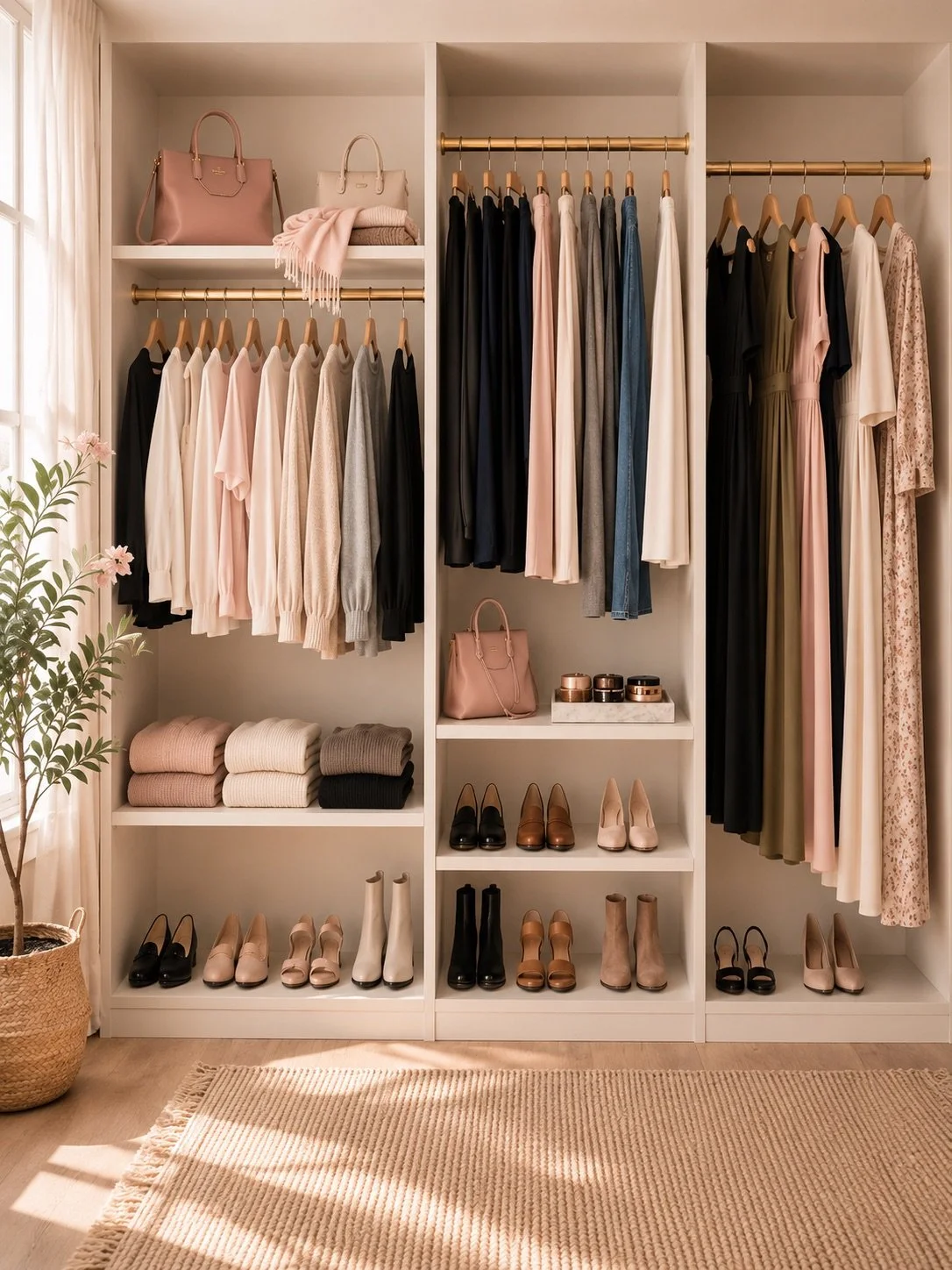
A $200 designer dress may be made from a high quality silk or entirely from a synthetic blend material. Meanwhile, a more affordable garment could be produced from natural cotton. Price rarely reflects material quality, making fabric composition one of the most overlooked aspects of modern fashion. The debate between synthetic and natural fibers is central to sustainability discussions, yet neither offers a perfect solution.
The Environmental Impact of Synthetic Fibers
Synthetic textiles such as polyester, nylon, and acrylic are derived from fossil fuels. Each wash releases microscopic plastic fibers into wastewater, which eventually reach rivers, oceans, and the food chain. Many synthetic fabrics are also treated with chemicals during manufacturing, including formaldehyde, PFAS, and flame retardants. While regulations vary, prolonged exposure to some of these substances has been linked to skin irritation, allergic reactions, and potential long term health concerns.
The Resource Demands of Natural Fibers
Natural fibers present different challenges. Conventional cotton is one of the most resource intensive crops. Producing a single cotton T-shirt requires about 2,700 liters of water, enough for one person’s drinking needs for nearly three years. Although cotton uses only about 2.5 percent of global agricultural land, it accounts for a large share of insecticide use. These chemicals, along with dyes and processing agents, can contaminate soil and waterways, affecting ecosystems and farming communities.
A Shift in Consumer Behavior
Consumer habits are beginning to change. Younger generations are embracing secondhand shopping, resale platforms, and garment care as everyday practices. Extending a garment’s lifespan regardless of its origin, is one of the most effective ways to reduce its environmental impact. A well maintained piece worn for years has far less impact than one replaced after a few uses.
Rethinking Personal Style and Consumption
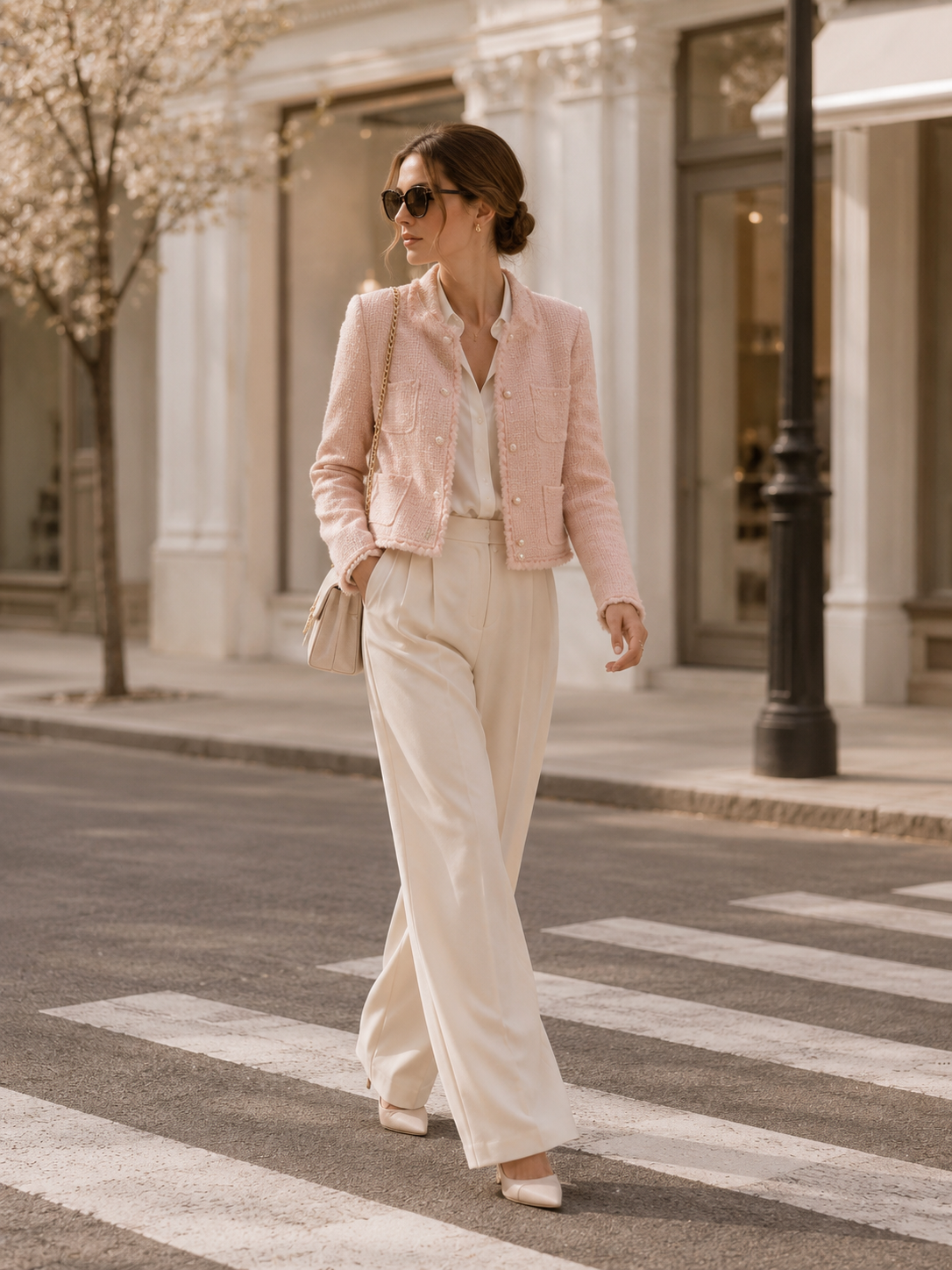
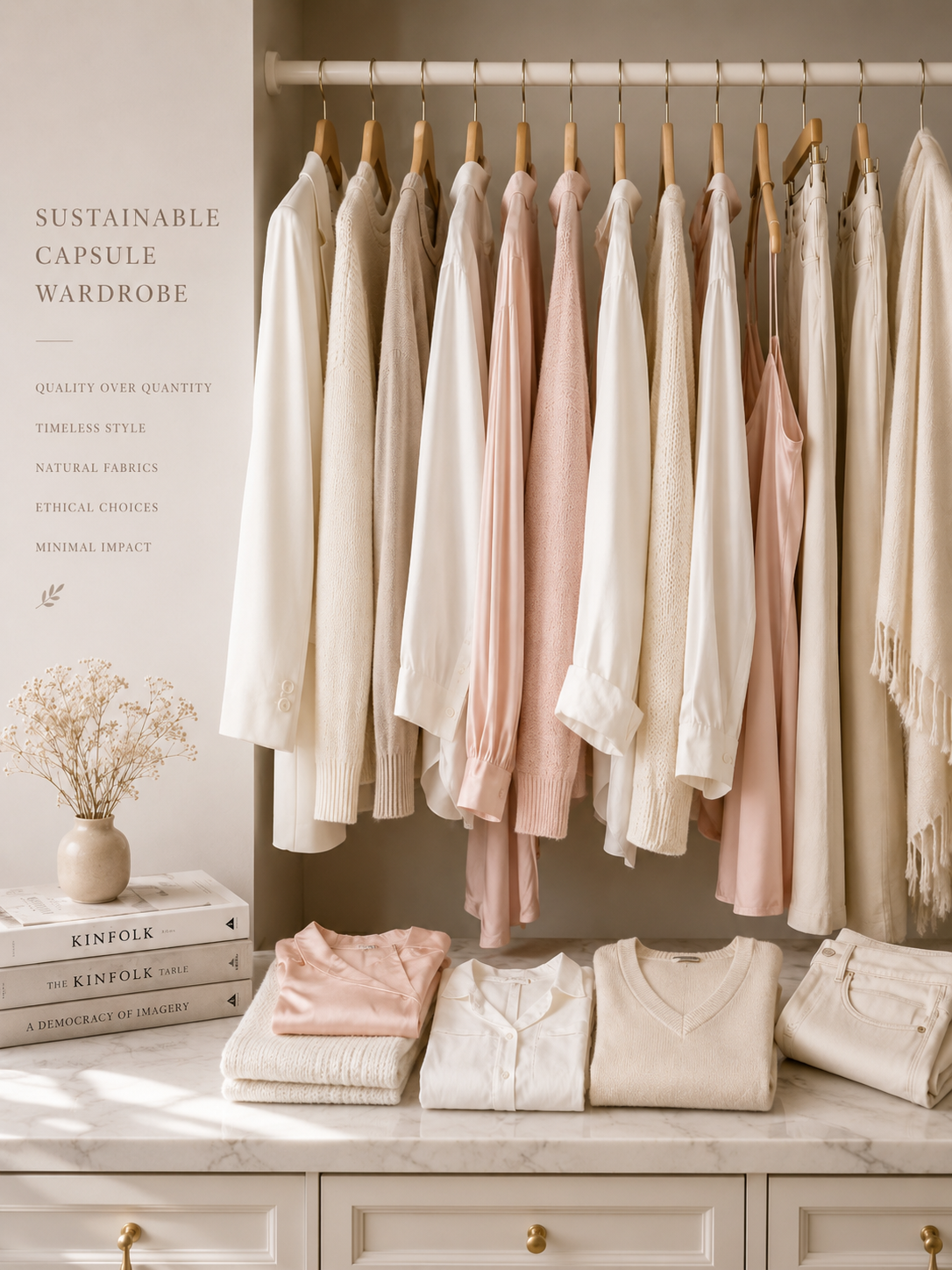
This shift has changed how I approach my wardrobe. Instead of chasing trends, I focus on pieces I can wear often and style in multiple ways. A versatile wardrobe is not about owning less for its own sake, but about ensuring each item serves a purpose. An often overlooked aspect of sustainability is the psychology behind consumption.
The Psychology of Wanting vs. Needing
For decades, shopping has been framed as entertainment, therapy, and identity. Fashion marketing promotes the idea that new purchases bring confidence or fulfillment, but those feelings are usually temporary. Before buying something new, I ask myself: Do I truly want this, or do I just enjoy wanting it? More often than not, it is the latter. That pause has reduced impulse purchases, saved money, and helped me value what I already own.

The Value of Secondhand Fashion
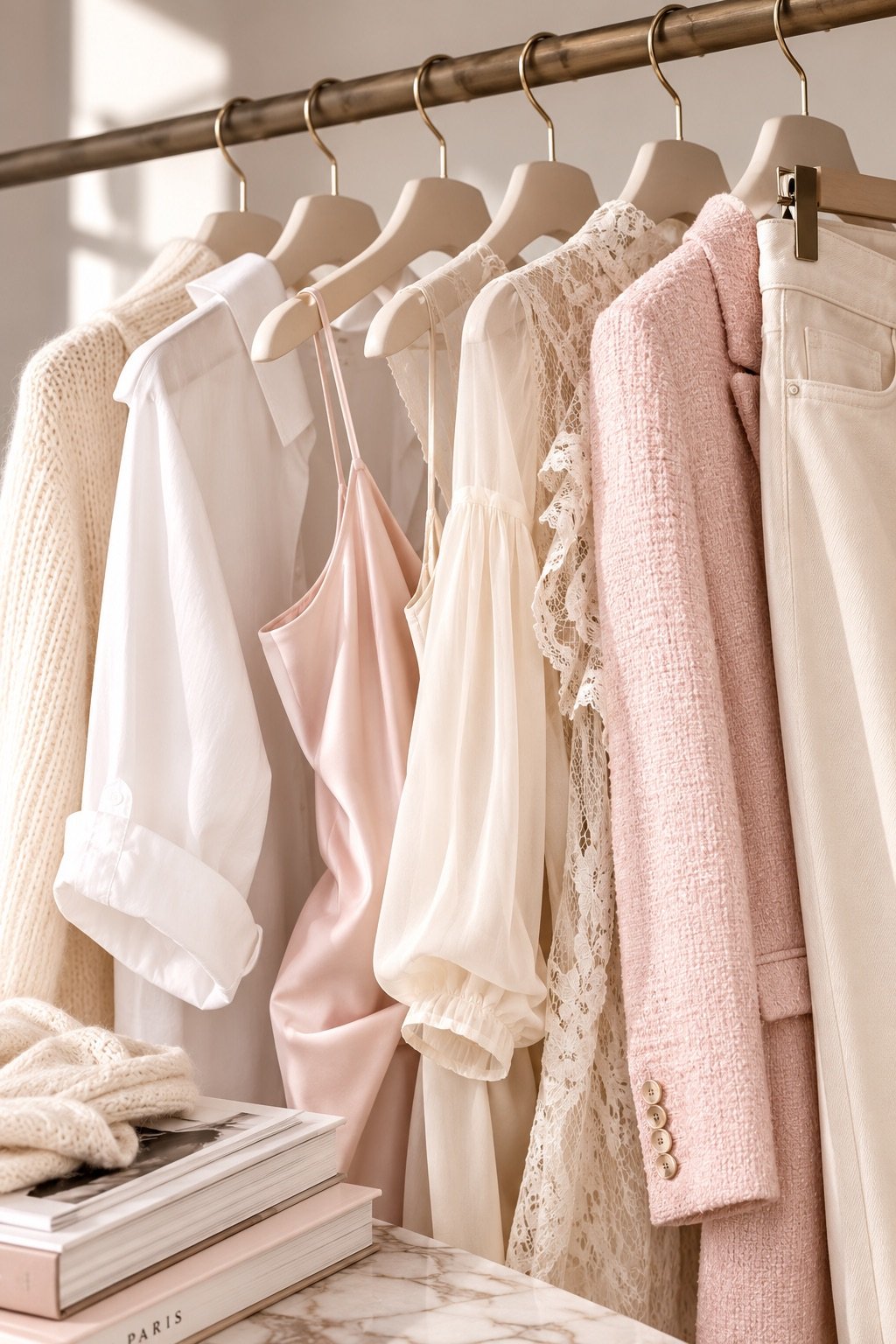
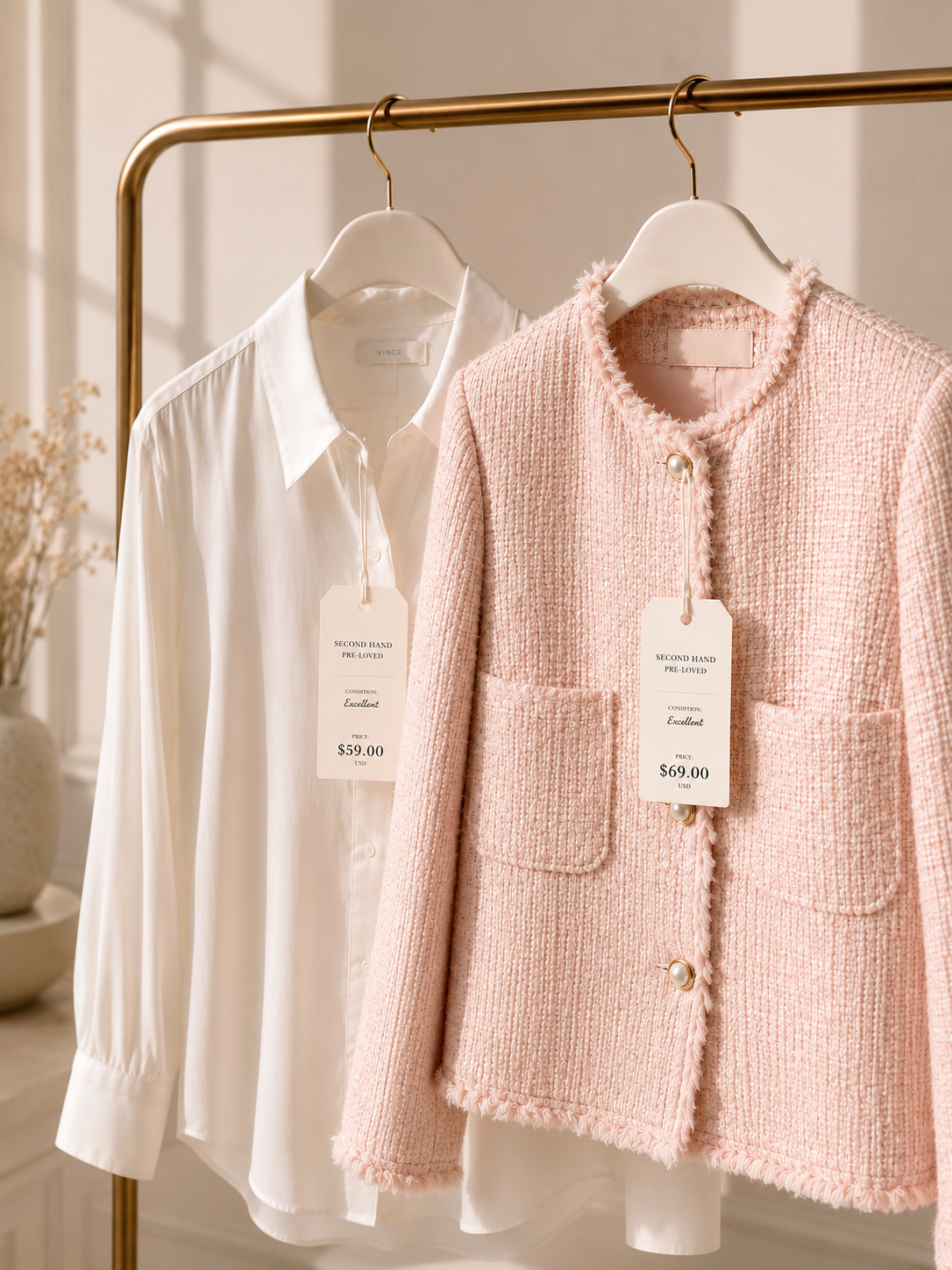
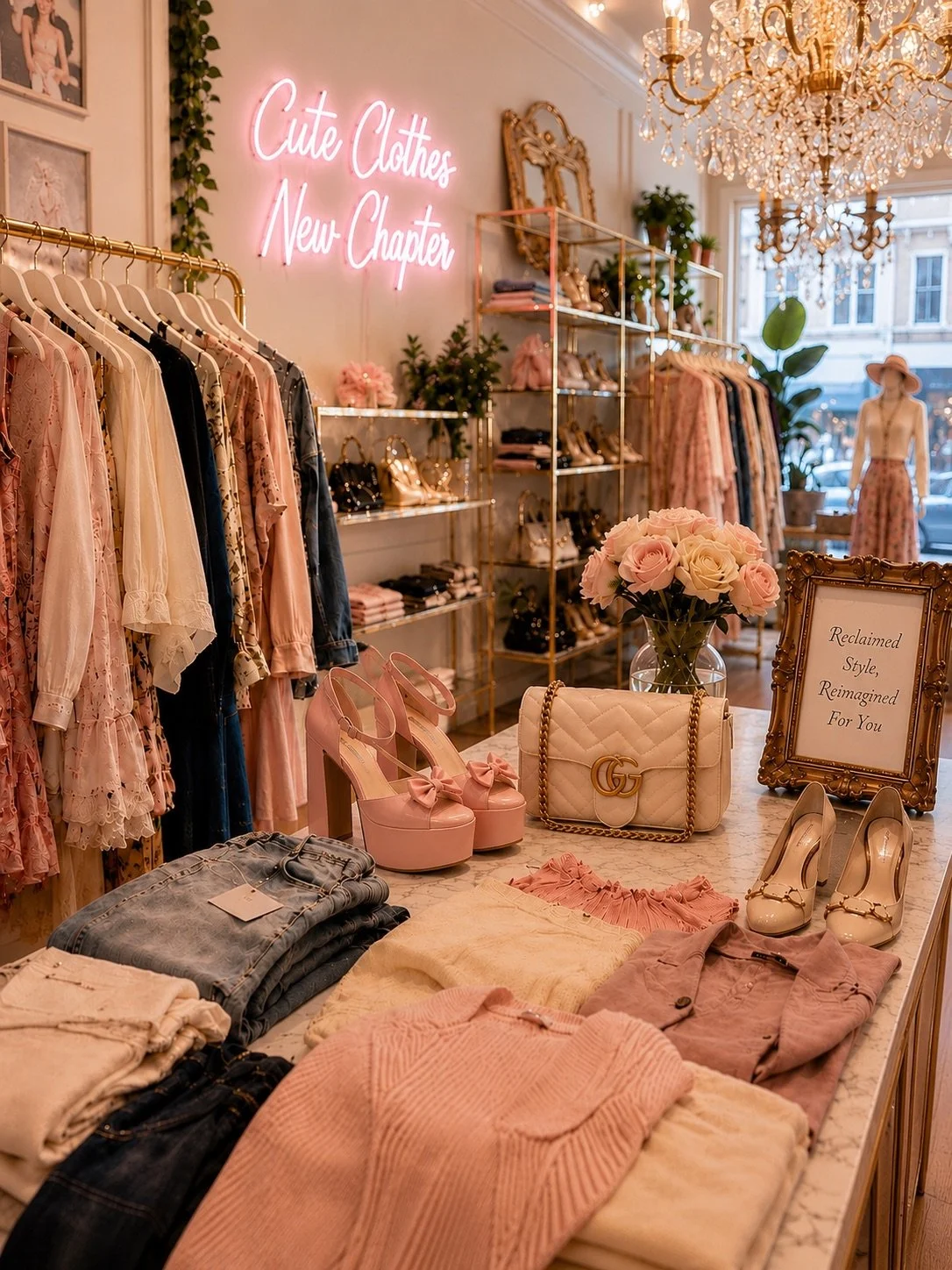
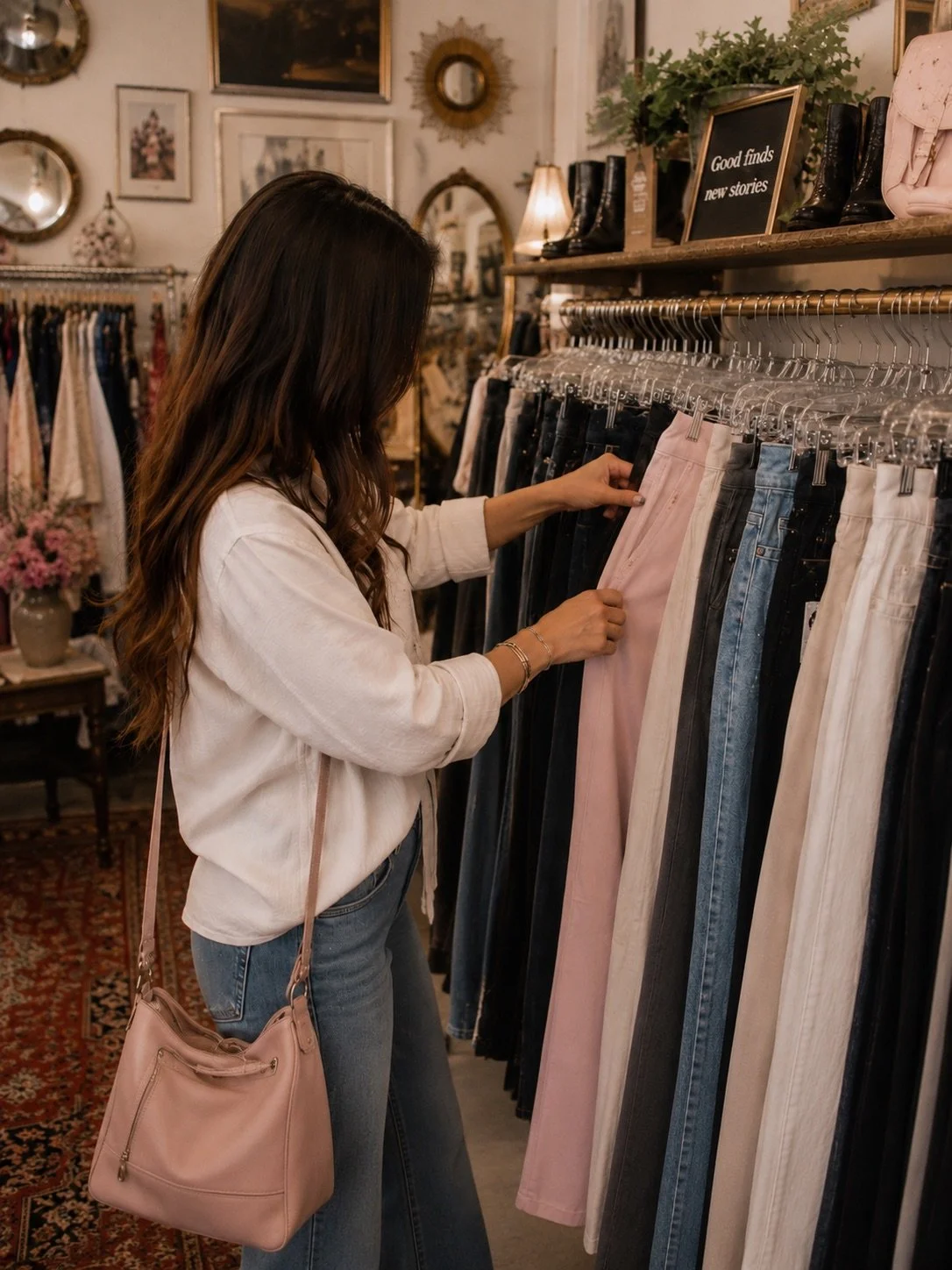
Secondhand shopping has become one of my favorite ways to engage with fashion more intentionally. Beyond its environmental benefits, it offers something rare in today’s retail landscape: individuality. Vintage jackets, worn-in denim, and tailored blazers each carry a history. Secondhand fashion is not just about reducing waste it is about finding pieces with character instead of following mass produced trends.
Accessibility and Imperfection in Sustainability
Not everyone can afford sustainable brands or curated vintage shops, and sustainability should not demand perfection. Most people are simply building a wardrobe within their budget.
Meaningful change does not require expensive choices. Buying fewer items, repairing garments, caring for fabrics, and wearing clothes longer are accessible habits. Small actions like fixing a button or mending a seam, collectively reduce waste.
Making the Most of What You Own
Equally important is using what you already have. Too often, garments sit unworn while waiting for a special occasion. Clothing is meant to be worn, not stored. Wearing your favorite dress to dinner, a blazer on an ordinary day, or your best jeans for errands helps you appreciate what you own. The more we wear our clothes, the less we feel the need to replace them.
Beyond Materials: The Problem of Overproduction
So which fabric is more sustainable? The answer is more complex than choosing between natural and synthetic fibers. The fashion industry’s biggest issue is not just what clothes are made from, but how many are produced.
More than 100 billion garments are made each year. At that scale, no fiber is truly sustainable. Fashion still follows a linear model: extract resources, produce goods, use them briefly, then discard them. Despite advances in textile innovation, recycling remains limited, and only a small percentage of clothing becomes new garments. Most ends up in landfills or is incinerated.
While recycled polyester, organic cotton, and other lower impact materials help, they do not address overproduction. Sustainability requires producing less, consuming more thoughtfully, and extending the life of existing garments.
Progress Over Perfection
Perfection is not the goal. I still make impulse purchases and browse online stores late at night. Mindful consumption is an ongoing practice. The goal is not a perfectly sustainable wardrobe, but more thoughtful decisions over time.
A More Intentional Future for Fashion
Fashion should remain creative, expressive, and personal, it just needs to be more intentional. The next time you consider a low cost garment, pause. Think about the resources used to make it, the people behind it, and its future after you are done with it. If you need it, wear it often and care for it well. If not, leave it behind.
Sometimes the most sustainable purchase is the one we never make.