Why Your Clothes Deserve A Tailor
The art of having clothing fit your body perfectly in every curve, shape, and dimension says something about who you are. Having your clothes tailored shows that you care about what you wear and how you wear it. At its core, tailoring simply means your clothing is adjusted to accentuate your body in the way you want.
Where Did This All Begin?
Tailoring began in the Middle Ages, when craftsmen shifted from wearing loose, shapeless cloaks to structured, fitted clothing. Early tailors were known as "linen armorers", artisans who created custom padded garments worn under heavy chain mail to prevent chafing. As the Renaissance sparked a cultural desire to accentuate the human form, tailoring evolved from a practical way to cover the body into a distinct craft and a powerful symbol of social status. Savile Row emerged as the epicenter of bespoke tailoring, where tailors discarded flamboyant decorations in favor of precise fit and discreet elegance. Later, the invention of the industrial sewing machine made tailored garments more accessible to the masses, democratizing what had once been reserved for the elite.
Tailoring has fundamentally shifted fashion from a system of rigid, gender-binary dress codes to one that prioritizes fluid, functional, and hyper-personalized style. By breaking down the barriers between formal suiting and everyday wear, custom construction has given individuals the power to express themselves freely while enjoying unprecedented comfort.
Why Off-the-Rack Almost Never Works
The vast majority of ready-to-wear clothing is designed around standardized sizing blocks essentially averages based on a generalized body type that fits very few people perfectly. Shoulders may be too wide, sleeves too long, or the waist cut for a completely different silhouette. These small discrepancies accumulate, making even expensive garments look and feel mediocre. A tailored garment, by contrast, is adjusted to your unique proportions: the shoulder seam aligns with your natural shoulder, the sleeve ends at your wrist bone, and the waist nips in exactly where your torso does. The result is not just better aesthetics, it is a noticeable improvement in comfort and confidence.
The Psychological Shift of Wearing Clothes That Fit
There is a quiet power in wearing clothing that was adjusted for you. When your clothes fit correctly, you stop fidgeting, adjusting, and pulling at fabric throughout the day. You stand taller, move more naturally, and project an unconscious sense of ease that others pick up on. This is not vanity, it is the psychological effect of alignment between what you wear and who you are. Tailored clothing removes the friction between your body and your wardrobe, allowing your personality, not your outfit's fit issues, to take center stage.
Tailoring as a Sustainable Choice
In an era of fast fashion and disposable clothing, tailoring offers a compelling alternative. Having a garment altered extends its life, keeps it out of landfills, and reduces the demand for new production. A simple hem adjustment or waist take-in can transform a thrifted find or an old favorite into something that feels new again. Tailoring encourages a mindset of curation over consumption, buying fewer pieces, wearing them longer, and ensuring each one works as hard as possible for your wardrobe. In this way, the tailor's needle becomes a small but meaningful tool for sustainability.
Tailoring Isn't Just for Suits Anymore
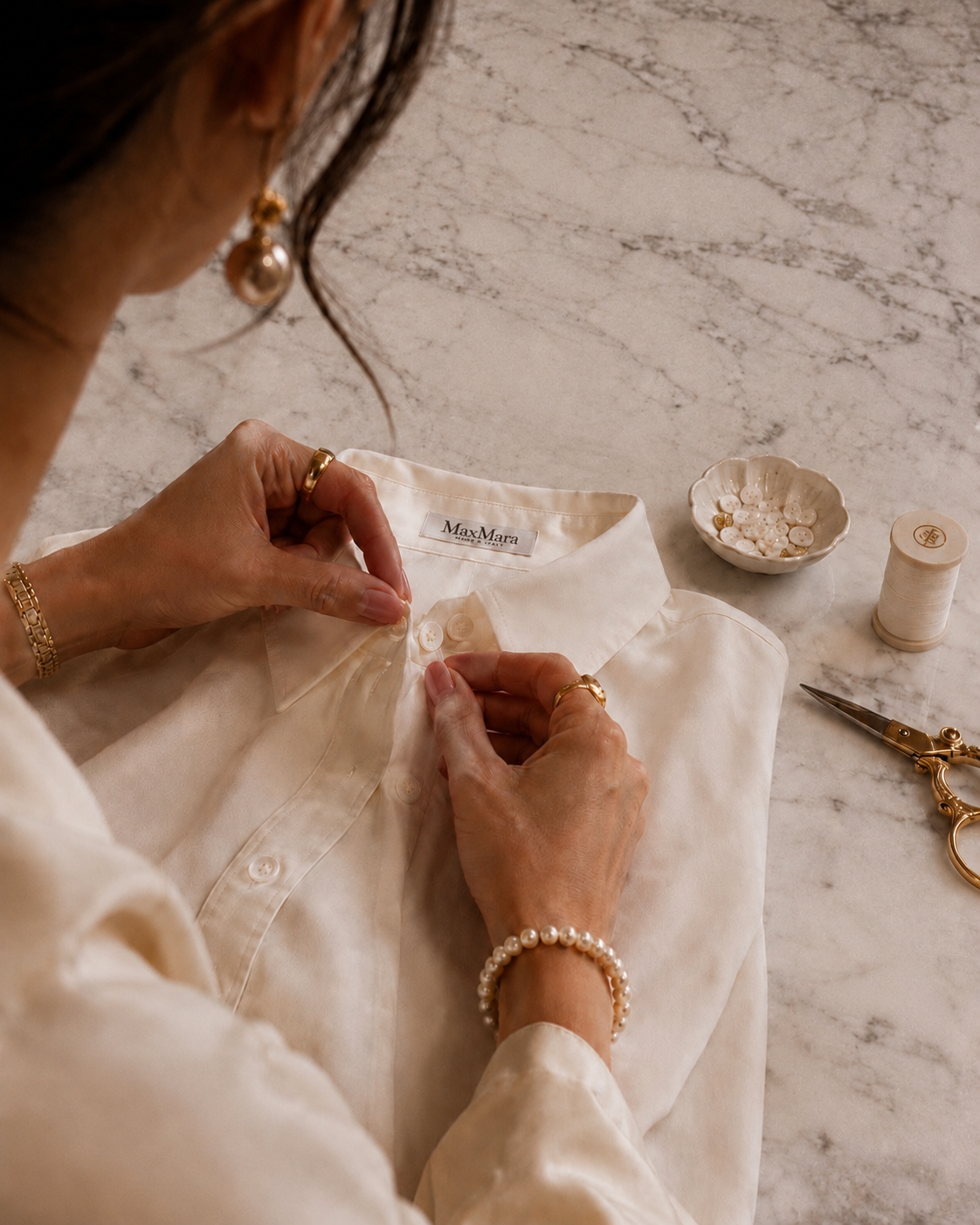
There's a common misconception that tailoring is reserved for formalwear, blazers, trousers, and wedding attire. In reality, almost any garment benefits from a trip to the alteration shop. A t-shirt can have its sleeves trimmed and sides taken in for a cleaner, more intentional silhouette. Jeans can be hemmed to break perfectly over your favorite sneakers or boots. Even a simple linen button-down feels completely different once the torso is shaped to your frame rather than hanging like a box. Modern tailoring has expanded far beyond the boardroom, and many alteration shops now specialize in casual and contemporary pieces. The result is a wardrobe where everything, not just your "nice" clothes fits like it was made for you.
How to Start Building a Tailored Wardrobe
You don't need to overhaul your closet overnight or spend a fortune. A good place to start is identifying the three to five items you wear most often, your go-to jacket, your favorite pair of pants, that one shirt that's almost perfect but just a little off. Take them to a reputable tailor and describe what bothers you: sleeves that feel long, a waist that gaps, shoulders that slump. Most basic alterations are surprisingly affordable, and the difference they make is immediate. Over time, as you add new pieces, make alterations part of your purchasing routine, budget a small amount for tailoring into every clothing buy. A wardrobe built this way costs less than you'd think and delivers more satisfaction than anything you could pull off a rack.